The Hidden Truth About Hyperpigmentation Treatment
Fastest Clinically Proven Way to Fade Dark Spots, Melasma & Hyperpigmentation.
A Special Investigation by Dr. Sarah Chen, Dermatological Research Institute
May 28, 2026
Renée came into my office with a folder of every brightening product she'd tried in the last four years. Vitamin C serums, niacinamide toners, two prescription hydroquinone tubes, a microneedling course, and an at-home laser device she'd financed in twelve installments.
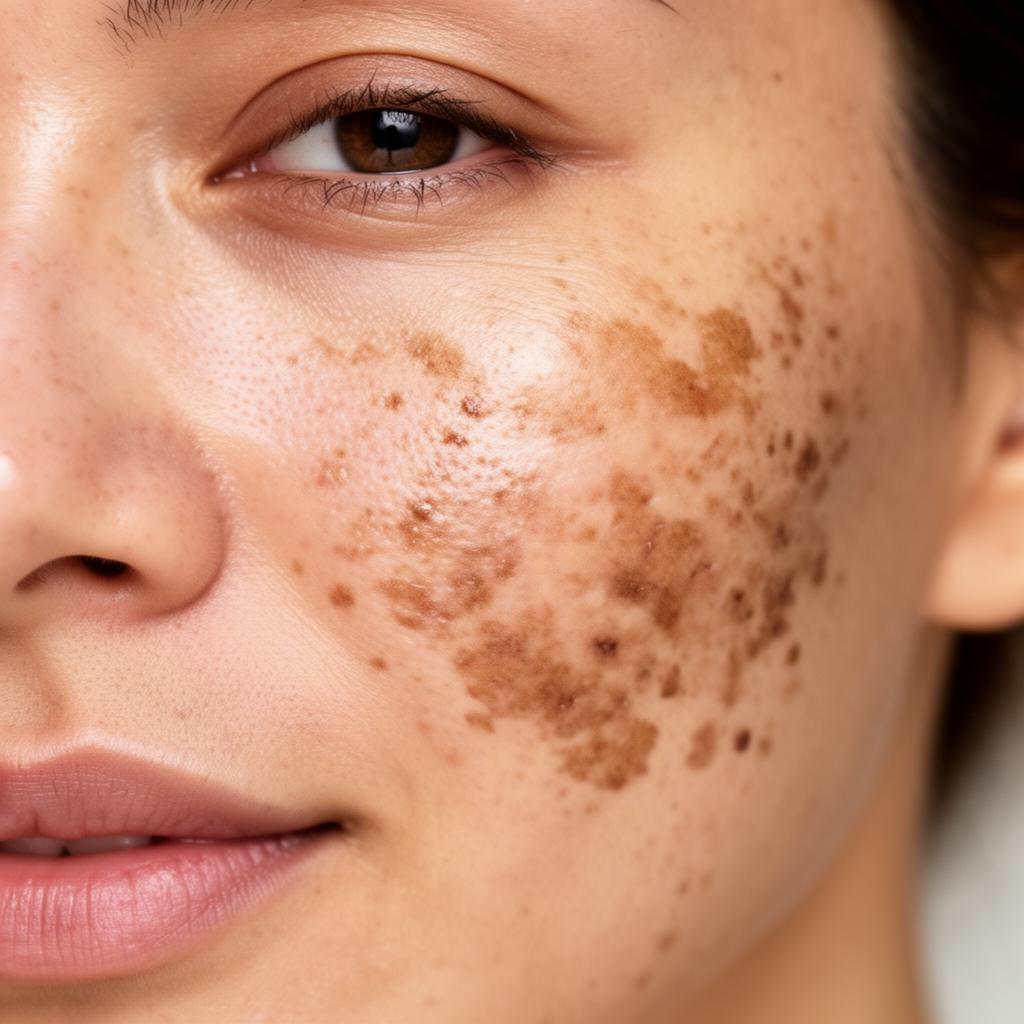
Her cheeks still carried the same brown patches she'd walked in with the first time we met. "I've spent more than $3,000 on my face," she said. "And I look exactly the same."
She was 38 years old, a mother of two, and the pigmentation had appeared after her second pregnancy. Nothing she'd tried in four years had moved it more than 10%.
"I just want to know why every brightening product I try only ever fades the edges and never the patch itself."
Renée's case became the question that reshaped my practice. Why were the brightening products on every dermatology shelf failing the people who needed them most?
I spent eight months pulling biopsy data on melasma and post-inflammatory hyperpigmentation, then re-reading the tyrosinase-pathway literature from scratch. What I found contradicted almost every product recommendation in mainstream skincare.
A dark spot isn't extra surface pigment that exfoliation can sand off. It's an enzymatic process — overactive melanocytes producing excess melanin and depositing it deeper into the skin every time the cycle is triggered. The visible patch is the end of a chain reaction that starts five layers down.
Surface acids and single-ingredient brighteners interrupt one step of that chain. The cycle simply continues using the remaining steps. The patch fades 10–15% and stalls — exactly what Renée had experienced four times in a row.
The breakthrough wasn't another brightener. It was realizing the pigmentation cycle has multiple checkpoints, and a single ingredient can only block one of them.
After reviewing two decades of failed hyperpigmentation cases, I uncovered 5 reasons single-mechanism brighteners never finish the job.
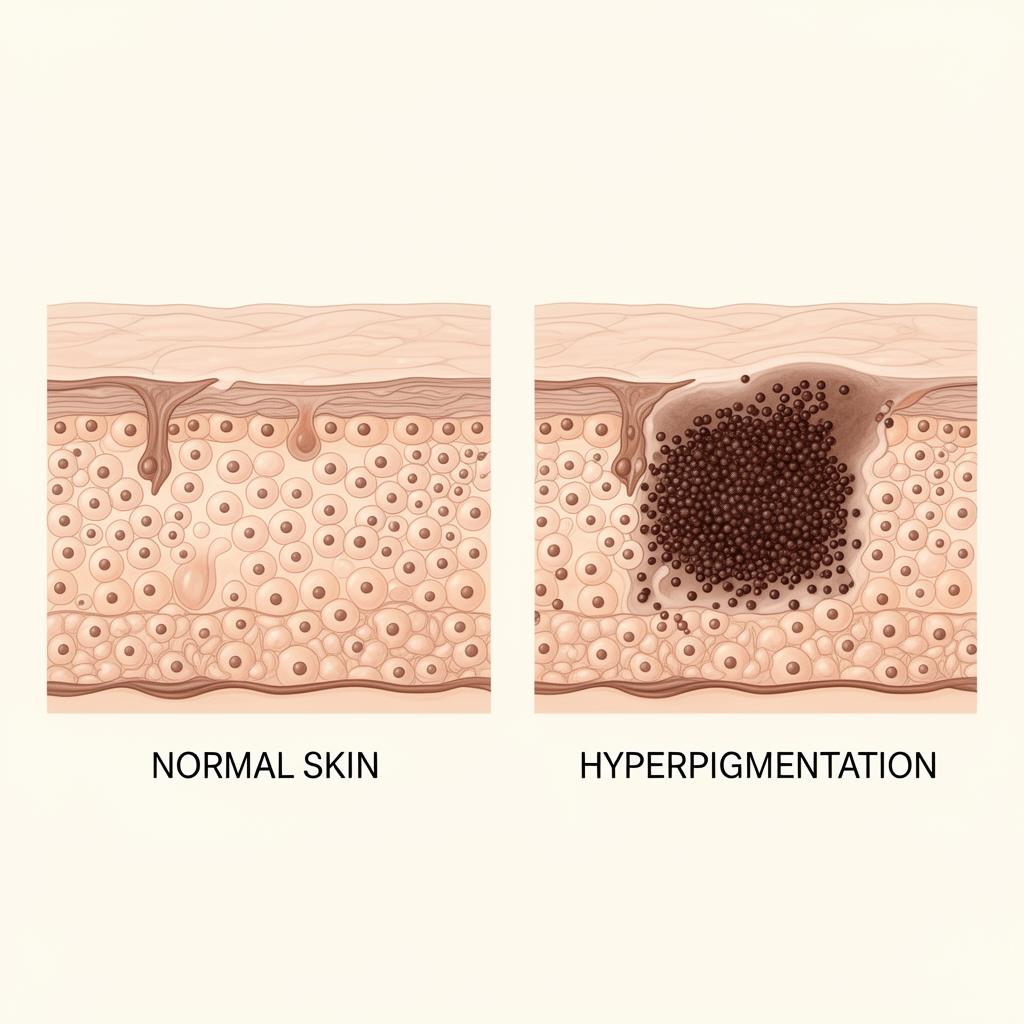
Melanin is produced by melanocytes in the basal layer and pushed upward over weeks. Surface exfoliation removes pigment that's already on its way out. The factory keeps running underneath.
The melanin pathway has at least four enzymatic steps. Vitamin C alone, kojic alone, or hydroquinone alone interrupts a single one. The cell routes around it.
UV, inflammation, hormones, and friction all restart the pigmentation cycle. Without anti-inflammatory and tyrosinase-inhibiting actives working together, you fade and re-pigment in a loop.
Strong chemical peels on already-pigmented skin often deepen the spot through post-inflammatory hyperpigmentation. The 'reset' becomes a relapse.
Most users see 10–20% improvement in the first month, then nothing. That's the signature of a one-step intervention against a multi-step cellular process.
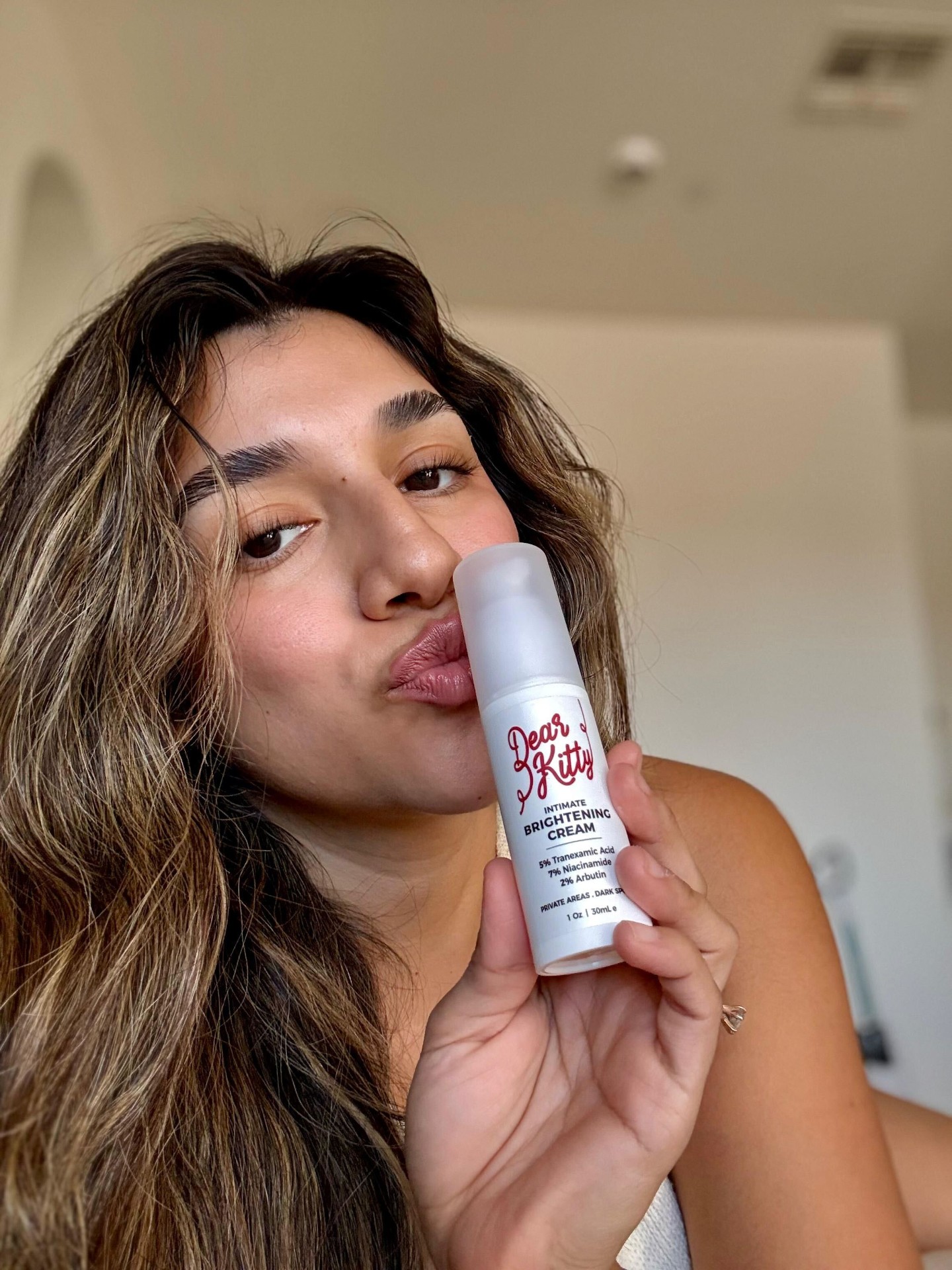
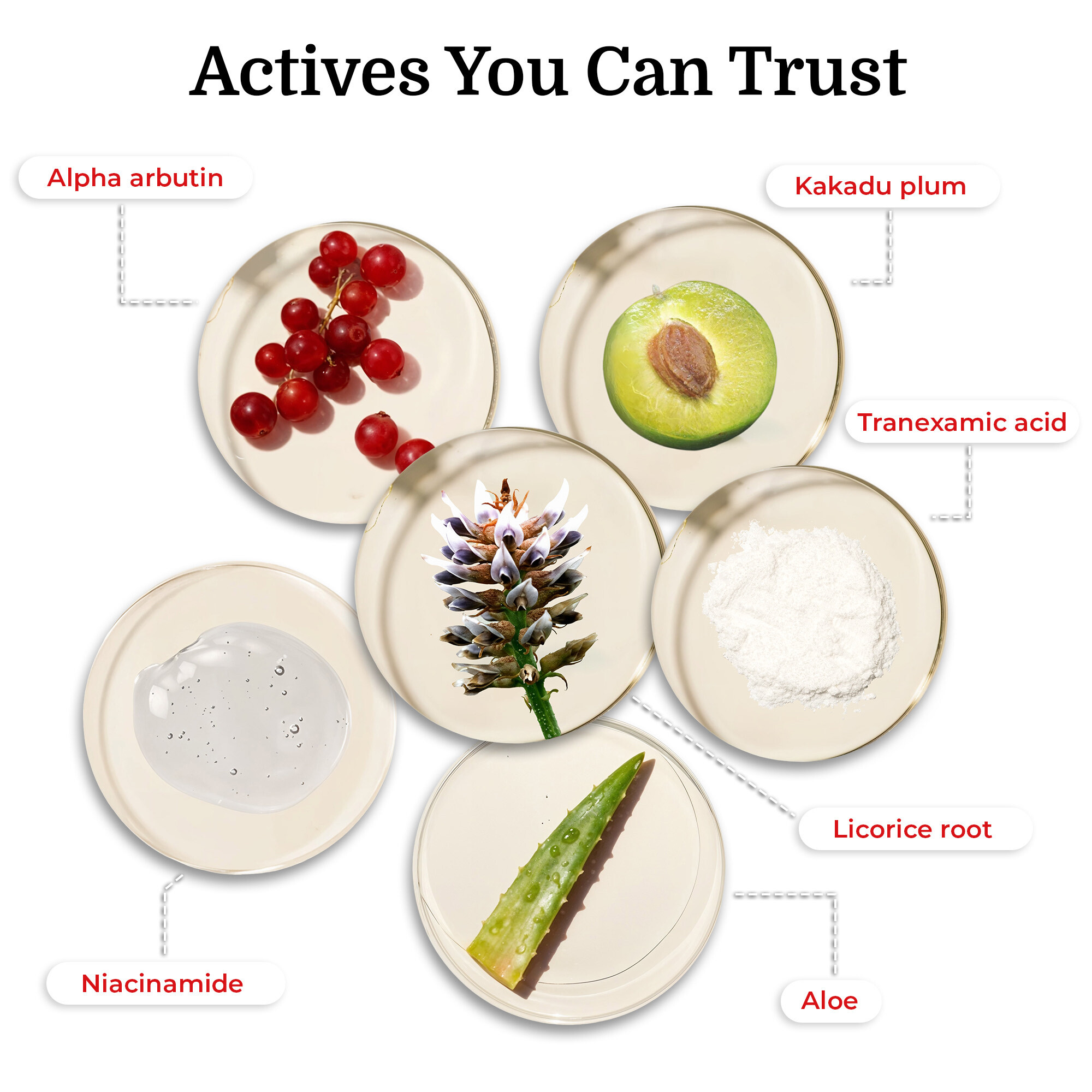
Tranexamic acid blocks plasmin and the inflammation that triggers melanin. Niacinamide stops melanosome transfer from melanocyte to surface cell. Alpha arbutin and licorice root inhibit tyrosinase, the enzyme that builds melanin in the first place. Vitamin C reduces existing pigment back to a lighter form. Dear Kitty is the only over-the-counter formula combining all five at clinical concentrations.
Working with a formulation chemist, I built what I now call the Full-Pathway Protocol.
Instead of blocking one enzymatic step, we interrupt the entire melanin cycle from production to transfer to surface reduction. Instead of stalling at 15%, we keep fading until the patch is gone.
Four years of stalled brightening. One week of multi-pathway treatment.
Within 24 hours Renée noticed her skin felt calmer. The redness around the pigmented edges, which she'd attributed to the patches themselves, was actually low-grade inflammation feeding the cycle. The tranexamic acid had begun shutting that down.
By day three the sharp borders of her cheek patches had started to blur. Tyrosinase inhibition takes about 72 hours to register at the cellular level, and the lighter newly-produced melanin was already entering the cycle.
On day five the densest part of the patch — the part four other products had never moved — was visibly lighter. Niacinamide had cut melanosome transfer to surface cells. The pigment was no longer being delivered.
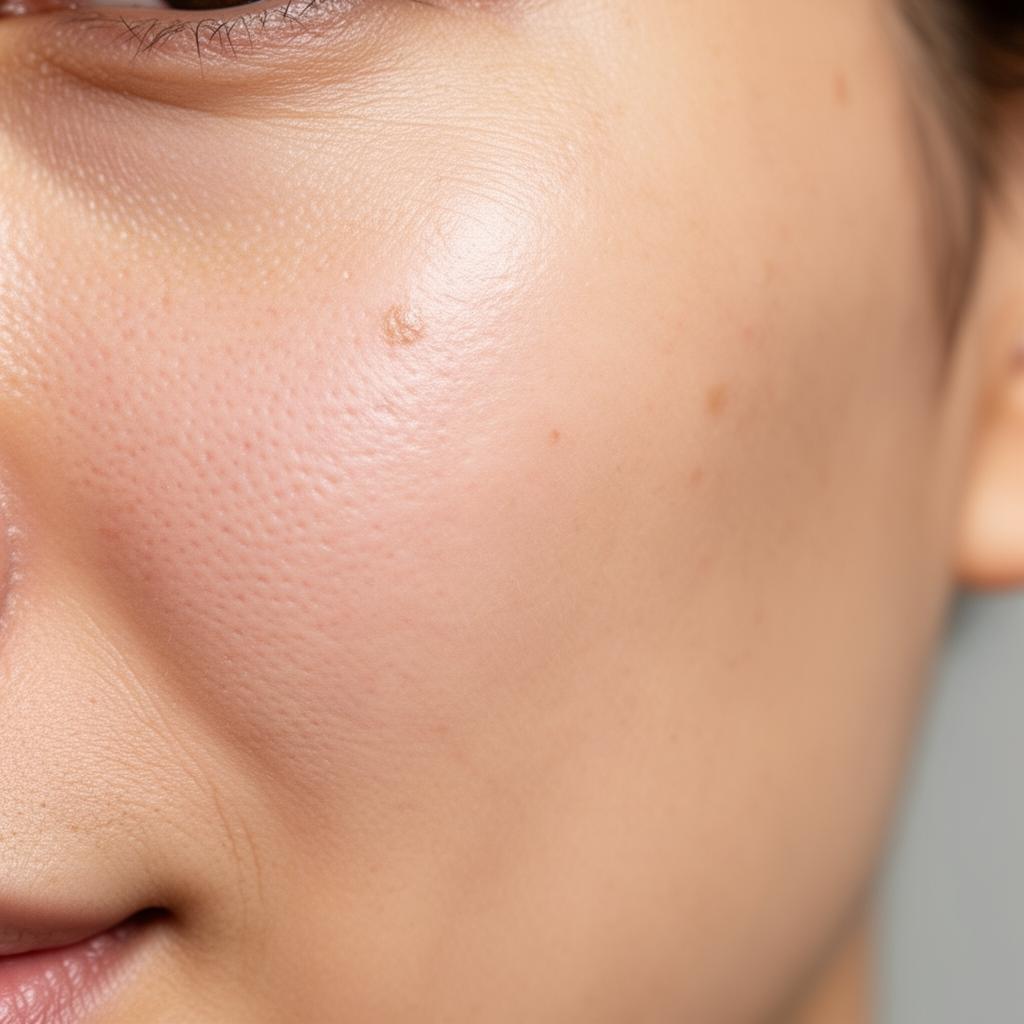
One week in, Renée's cheeks caught light evenly for the first time in four years. The patches weren't gone yet — that takes 8 to 12 weeks — but they were measurably retreating for the first time since 2022.
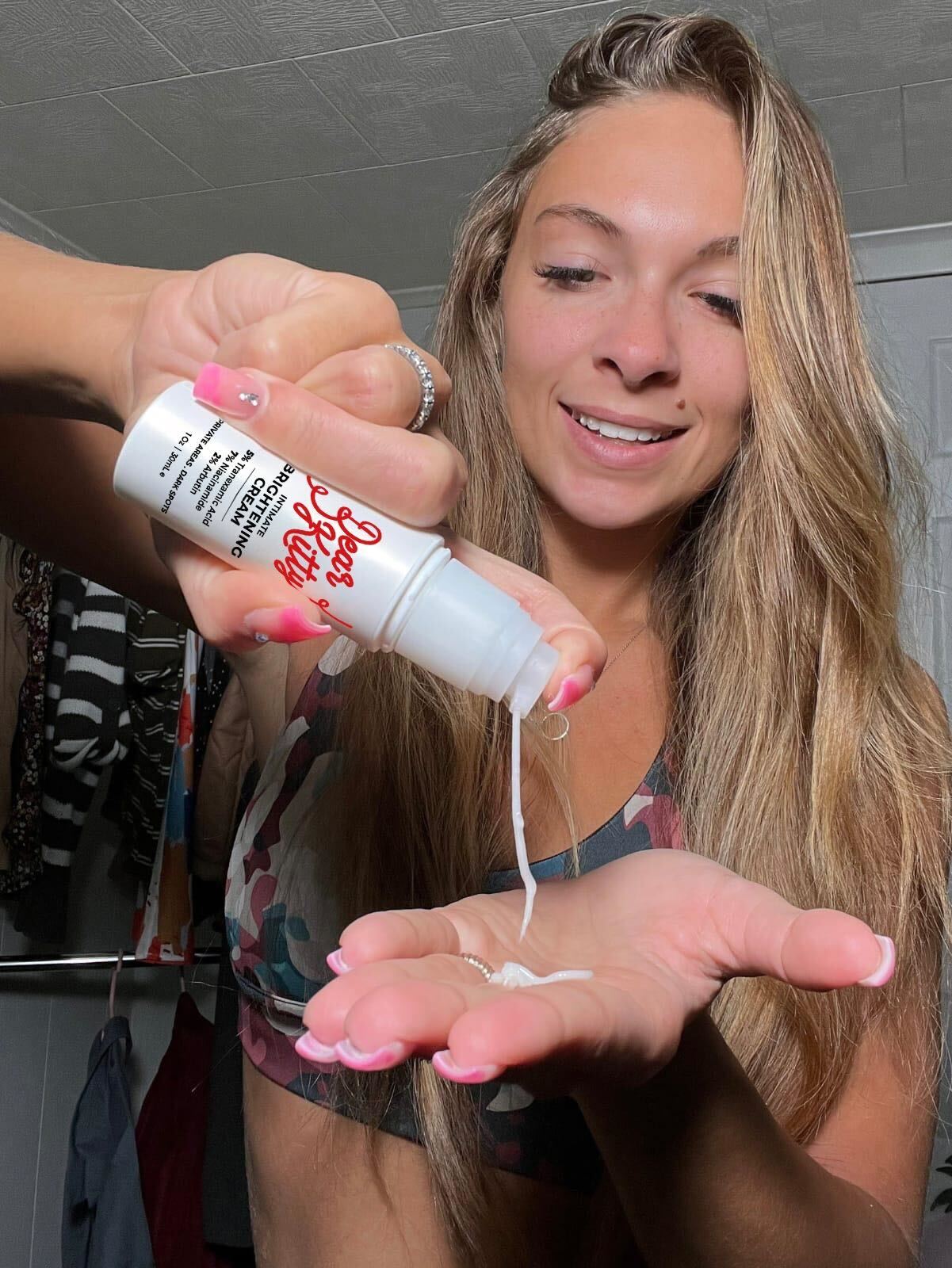
"I'd spent over three thousand dollars trying to fade my melasma. Two weeks on this and I've seen more change than four years of everything else combined."
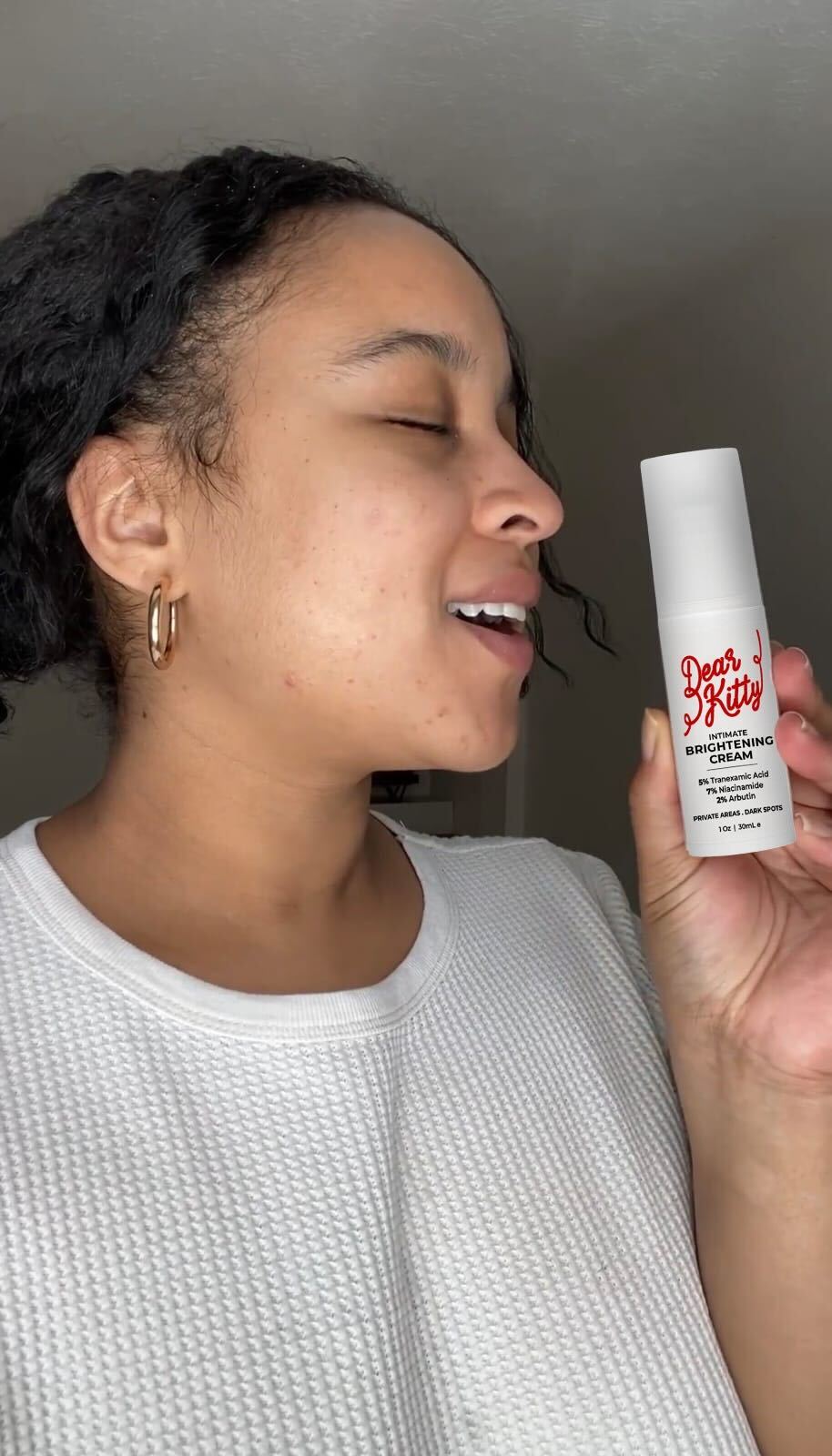
"My dermatologist gave up and told me to learn to cover them with concealer. Ten days with this and I don't need the concealer anymore."