What Your Acid Peel Is Actually Doing to Your Pigmentation
Stop Exfoliating: The Habit That's Making Your Dark Spots Darker.
A Special Investigation by Dr. Sarah Chen, Dermatological Research Institute
May 28, 2026
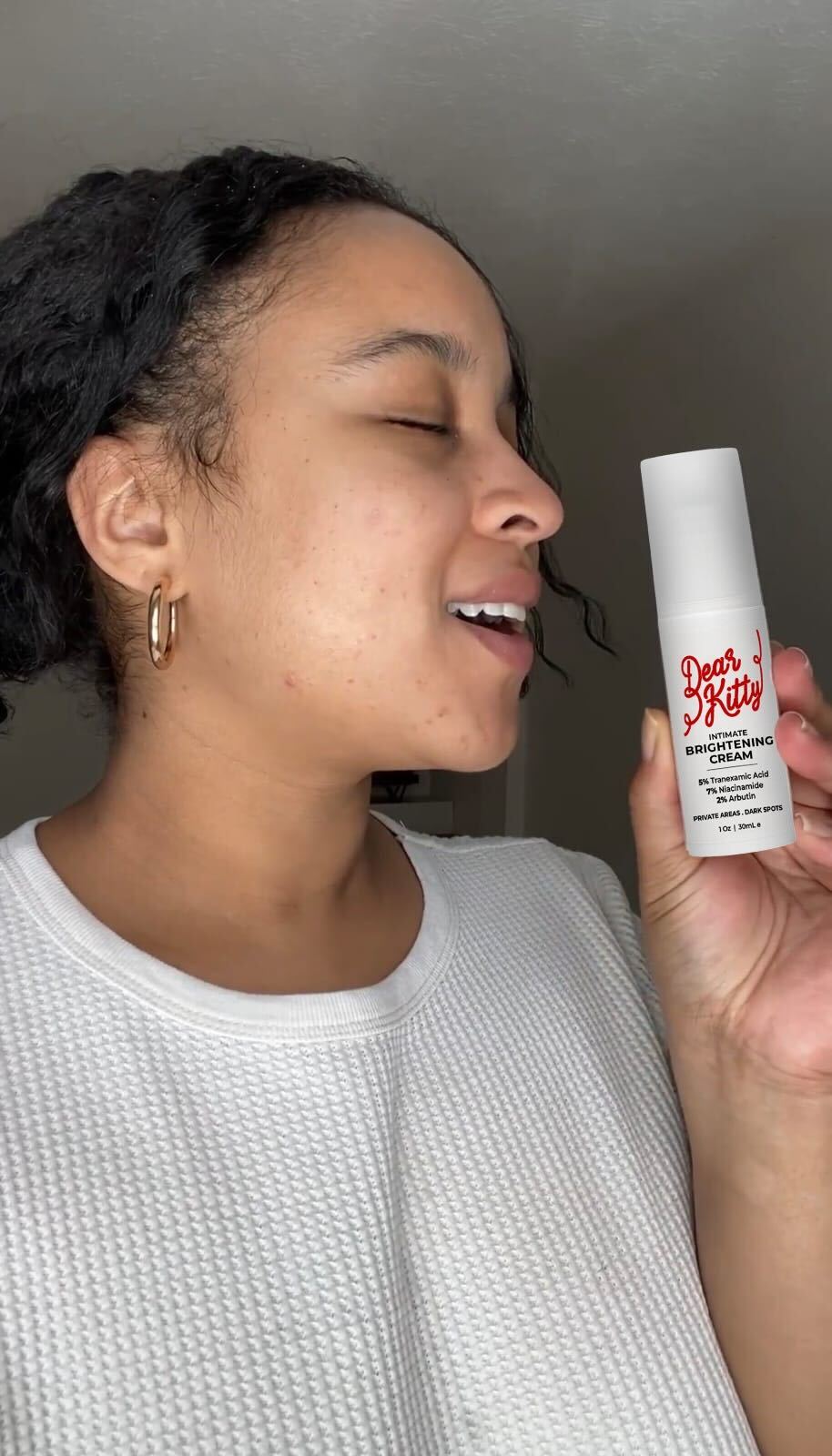
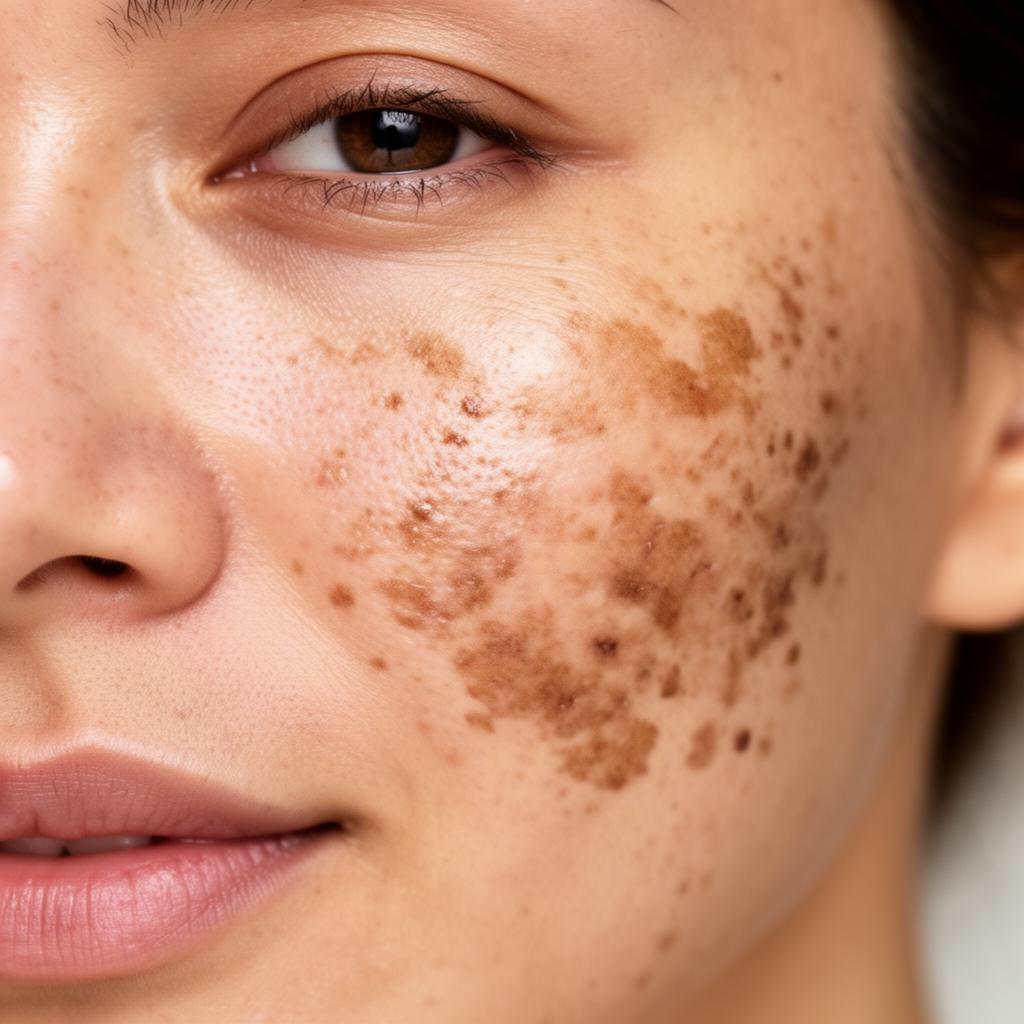
Carla sat in my exam room and lifted her chin to the light. The dark patches across her jawline and upper cheeks looked almost charcoal at the edges. "I've been doing a 30% glycolic peel at home twice a week for a year," she said. "It's only getting worse."
She had cycled through a sugar scrub, a high-strength TCA pad, a microdermabrasion tool, and most recently a daily chemical-exfoliating toner. She'd read on every forum that hyperpigmentation needed to be "sloughed off." Her bathroom was a museum of acids.
Her face told a different story. The spots she had two years ago were not only still there — they were darker, more defined, and surrounded by a duller, irritated halo of new pigment that hadn't existed before she started.
"If exfoliating is the answer, why do my spots look darker every single week?"
Carla was doing exactly what dermatologists, influencers, and her own aesthetician had all told her to do. And it was actively making her pigmentation worse.
I went back to the basic biology of a dark spot. Each one is two distinct events: melanin being actively produced by melanocytes in the basal layer, and pigmented cells migrating upward to the surface over weeks.
Aggressive exfoliation — scrubs, strong peels, microneedling, anything that creates micro-injury — triggers post-inflammatory hyperpigmentation. The skin responds to the trauma by signaling melanocytes to produce more melanin as a protective response. You remove the top layer of pigment, and the body manufactures a darker replacement.
So harsh exfoliation accomplishes one thing only: it inflames the already-pigmented area, and the body answers with more pigment. The spot grows. The halo darkens. The patient peels harder.
We were teaching patients to provoke the exact cycle they were trying to stop. Nobody was getting clearer because everyone was inflaming.
After watching 200 patients get darker from over-exfoliation, I uncovered 5 reasons aggressive peels are the wrong tool for hyperpigmentation.
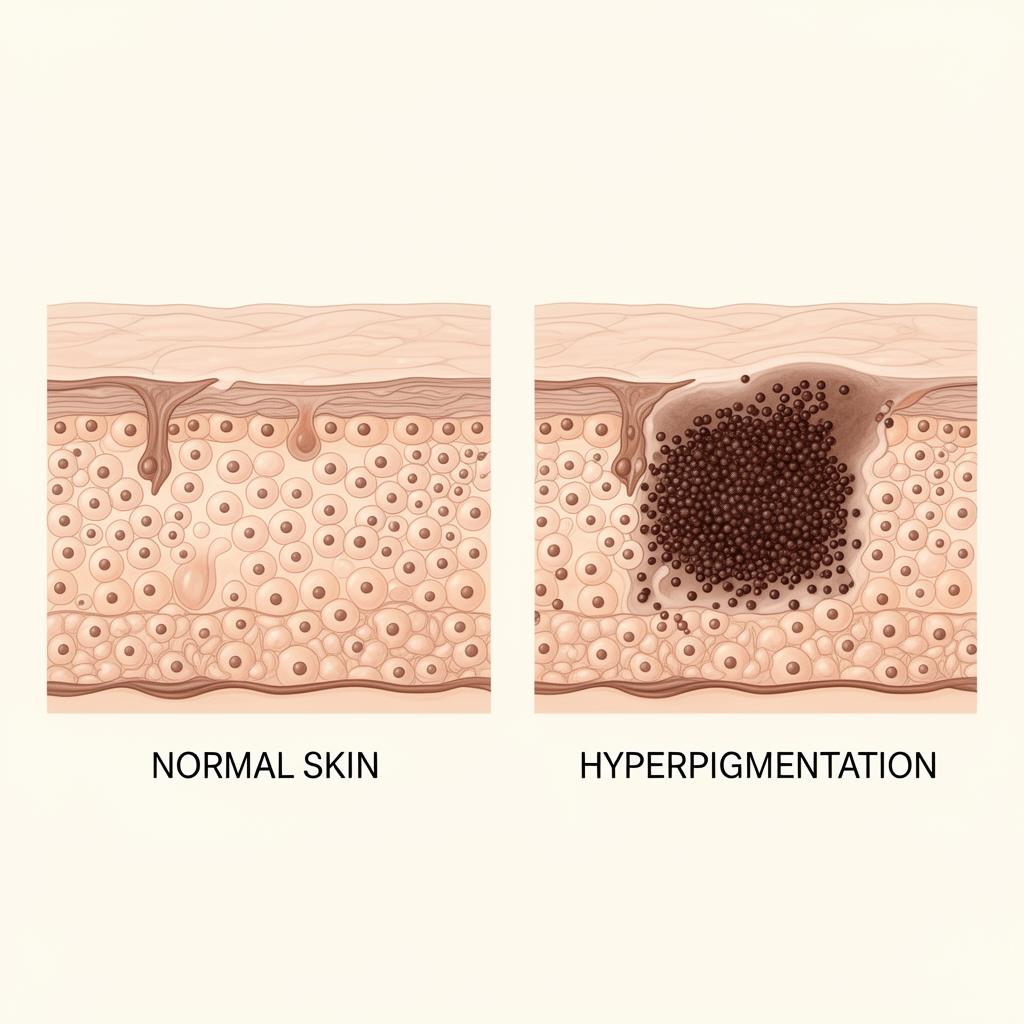
The pigment-producing cell lives in the basal layer, untouched by surface acids. A peel removes pigmented surface cells while the factory underneath stays fully active.
Repeated micro-injury is one of the strongest triggers for melanin production. Aggressive exfoliation literally instructs your body to manufacture darker pigment.
That deeper edge most patients call "my pigmentation getting worse" is post-inflammatory hyperpigmentation from the peel itself. Stop the aggression and the halo fades over weeks.
A compromised barrier inflames easily and amplifies every pigmentation trigger — sun, heat, friction. The damage compounds.
Peeling feels like progress. The rough texture and tight skin feel like a reset. Meanwhile the underlying pigmentation pathway is being triggered, not paused.
Tranexamic acid, niacinamide, alpha arbutin, and licorice root don't abrade — they inhibit. They reach the melanocyte, block tyrosinase, and stop melanosome transfer without provoking the inflammatory cascade that drives PIH. Vitamin C reduces existing pigment back to a lighter form. This is the method clinical research supports, and the one Dear Kitty is built on.
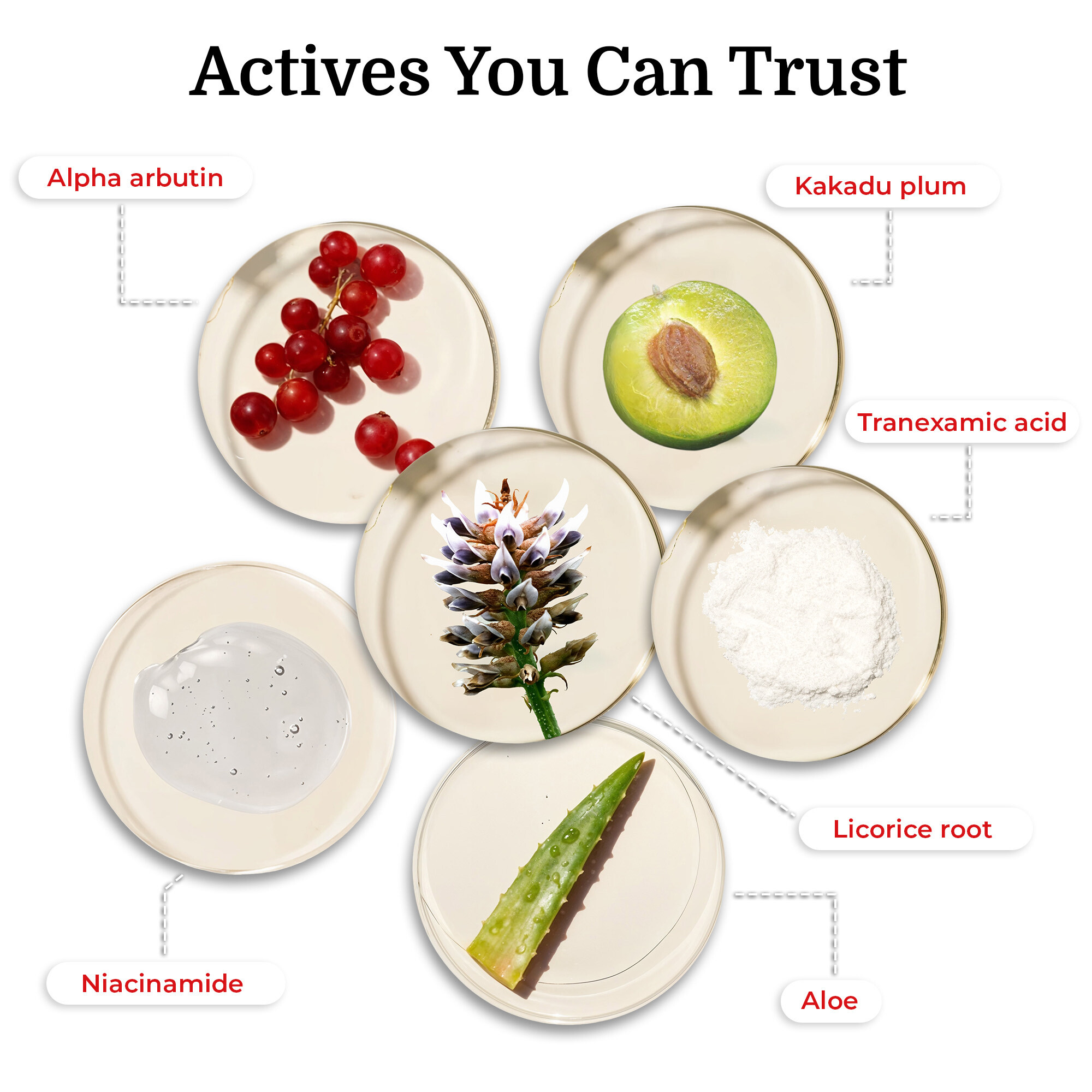
I developed what I now call the No-Trauma Protocol with a formulation chemist who'd spent a decade on melanocyte signaling.
Instead of abrading the surface, we inhibit the source. Instead of inflaming the pigmented area, we calm it. Instead of "treating" with more damage, we let the skin recover while the melanin cycle shuts down.
After a year of peeling, the change came when she stopped
Within hours of putting away every acid pad and starting the tyrosinase-inhibition routine, Carla noticed the chronic warmth in her cheeks had quieted. "My face doesn't feel hot anymore," she said. The melanin trigger had started to release the moment trauma ended.
By day three the deeper rings around each patch were noticeably softer. With no fresh inflammatory injury, the post-inflammatory pigmentation had nothing to keep feeding it.
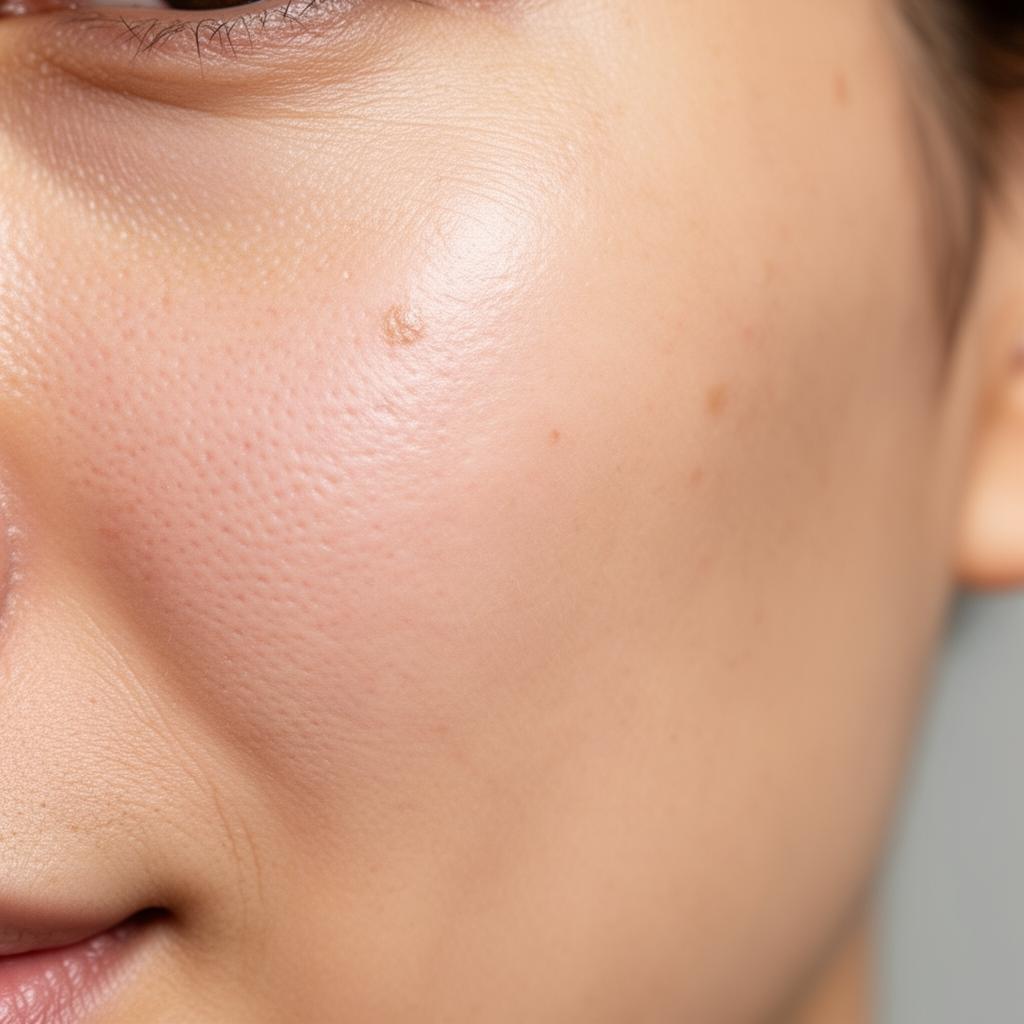
On day five the central pigment began to lift. For the first time, Carla's skin was losing color without losing barrier. Even-toned without the rebound.
One week off the acids and on the inhibitors, Carla's pigmentation looked lighter than it had in a year. "I was the thing making this worse," she said. "And stopping was step one."
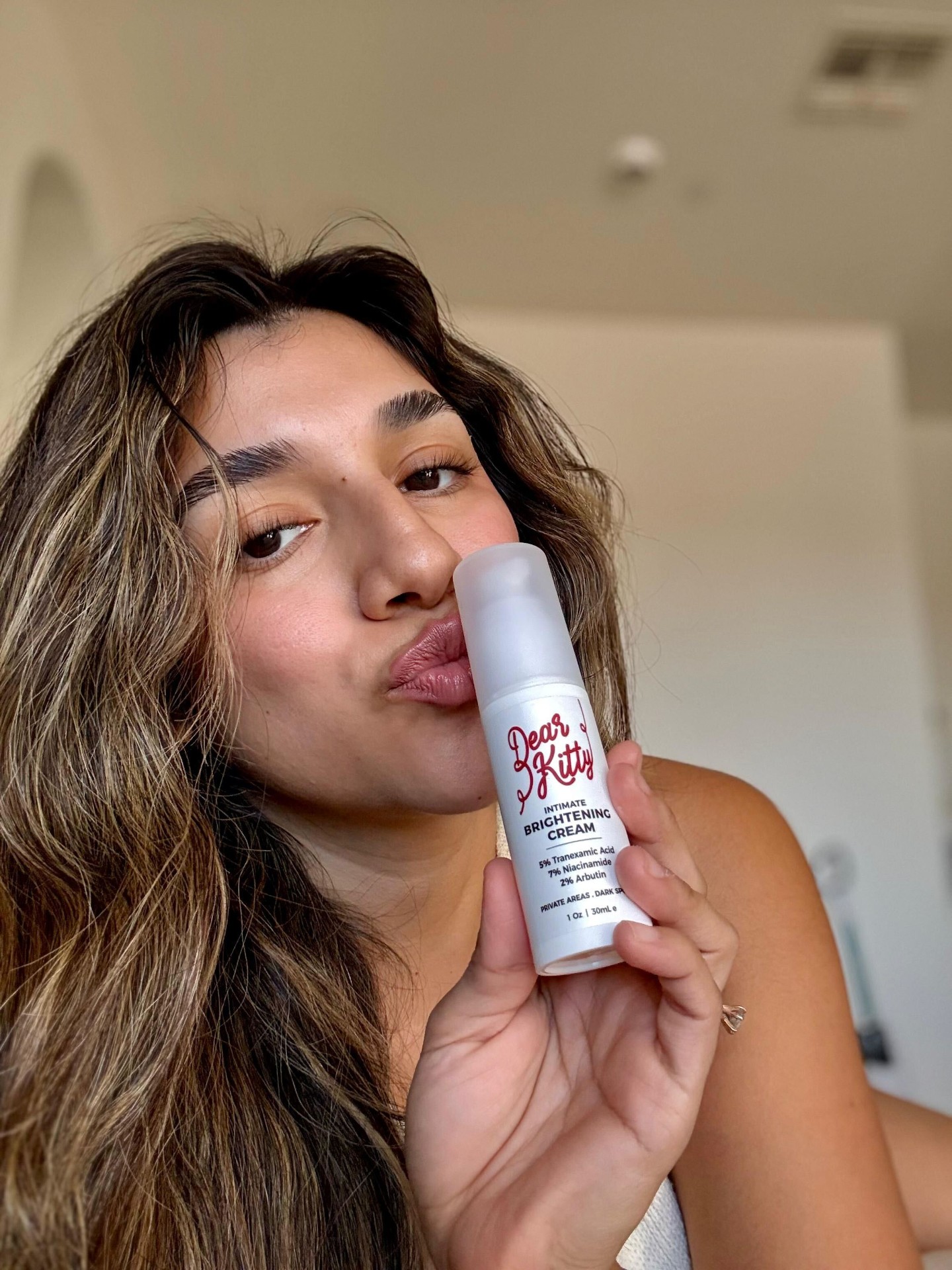
"I threw out four exfoliating tools to make room for one bottle. Two weeks later my skin looks like it belongs to someone else. Why did nobody tell me to stop peeling?"
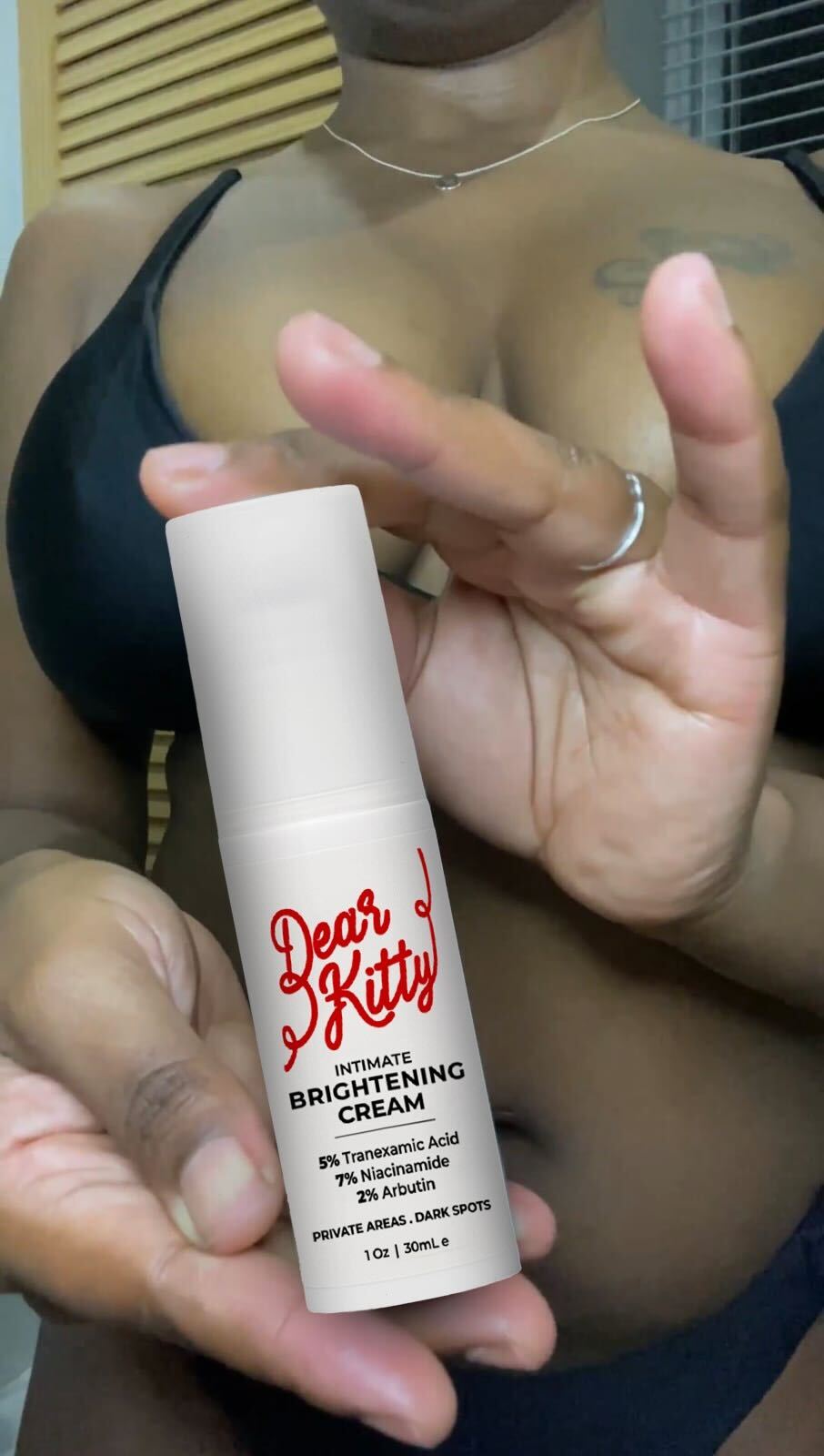
"I'd been doing weekly TCA pads. The darkening I thought was 'my melasma' turned out to be the peels themselves. Ten days off them and I'm shocked."