Why Your Single-Brightener Product Stopped Working
One Brightener Was Never Enough: Why Dark Spots Need a Multi-Pathway Block.
A Special Investigation by Dr. Sarah Chen, Dermatological Research Institute
May 28, 2026
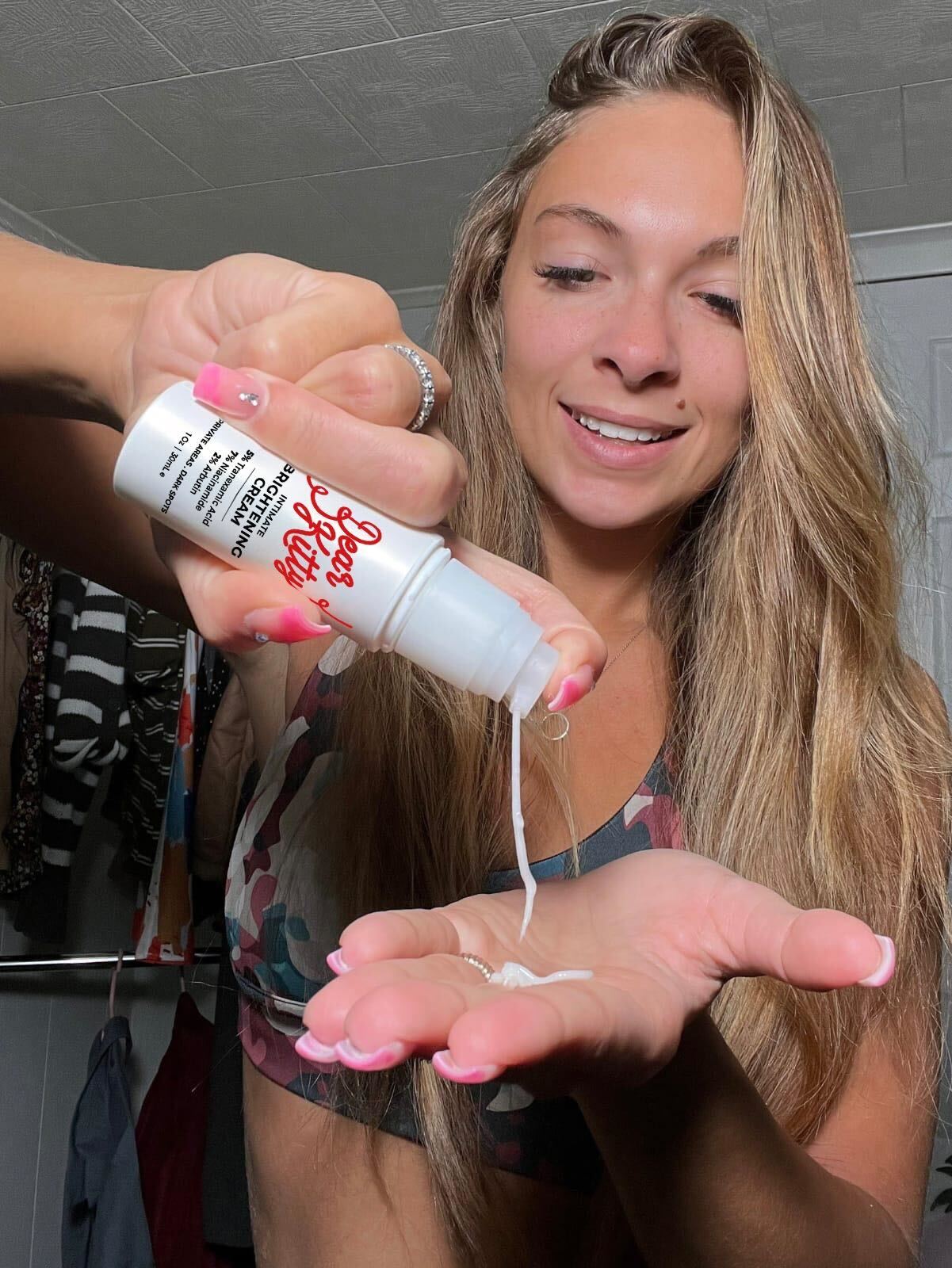
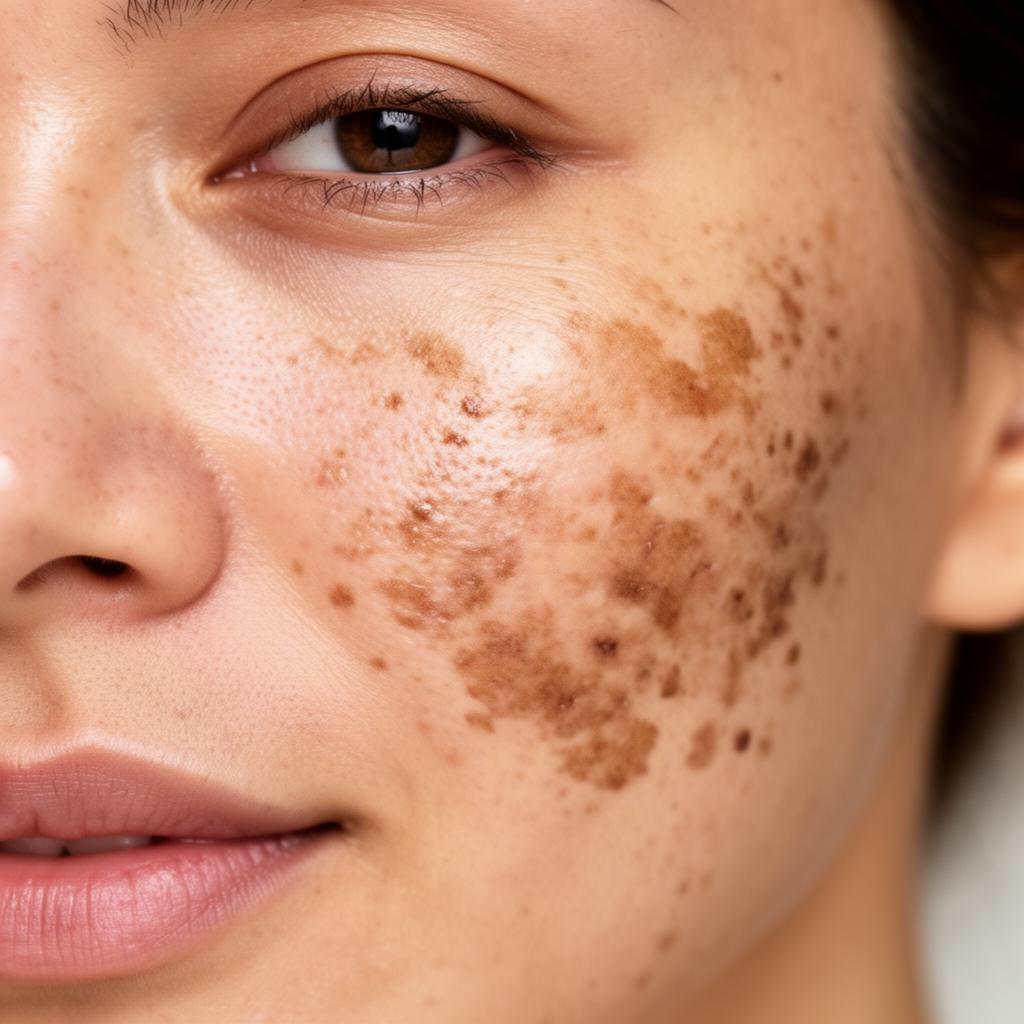
Jenna came in with a perfectly logical complaint. She'd bought a well-reviewed 15% vitamin C serum, used it consistently for three months, and seen a real 30% improvement in her dark spots in the first six weeks. Then nothing. The remaining pigment simply refused to fade further.
She'd done everything right. The product was reputable. The concentration was therapeutic. The compliance was perfect. And yet she was stuck at "better but not clear," the most frustrating plateau in skincare.
She showed me her cheek. The lightest areas had genuinely faded. The deepest, central pigment looked, if anything, more isolated and more visible than before.
"Why does this work for the easy edges and then just stop?"
Jenna had hit the wall every single-ingredient brightener hits. There was a structural reason, and the entire industry had been ignoring it.
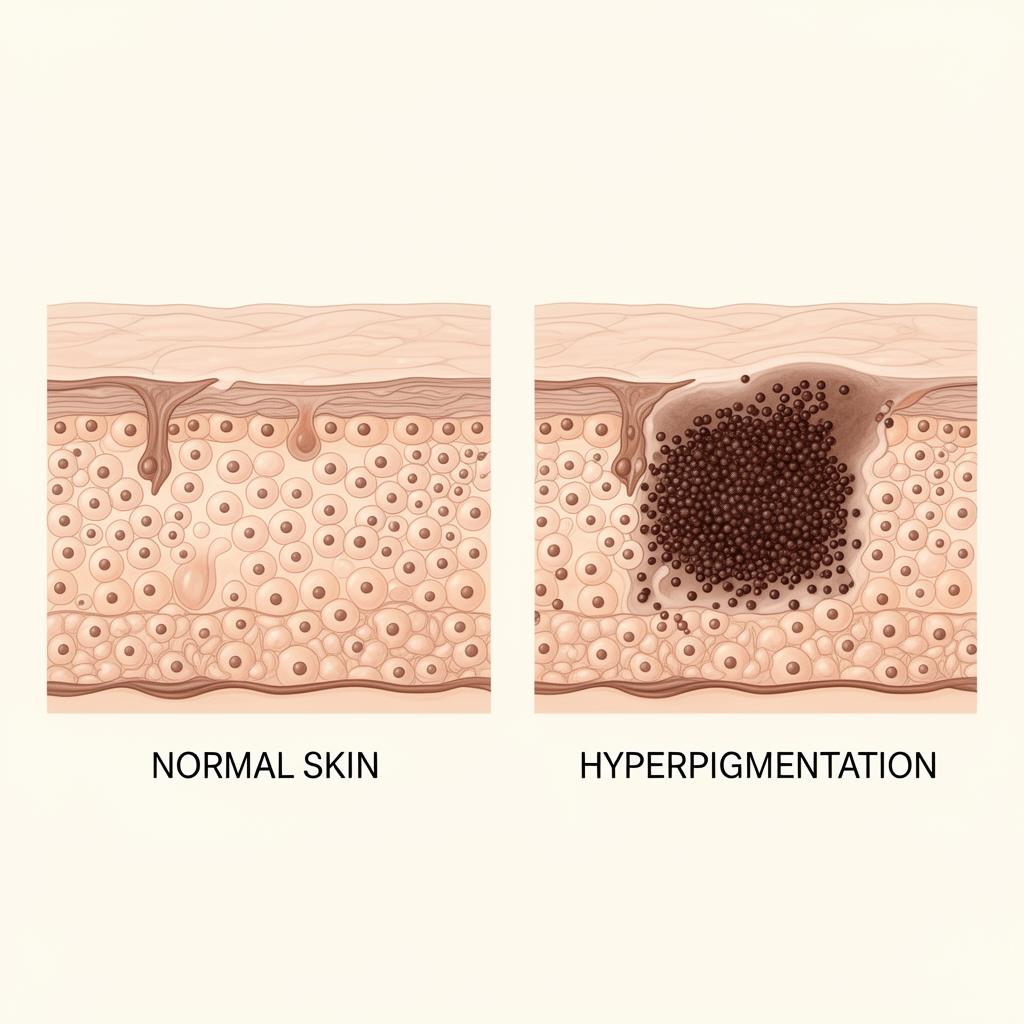
I went back to the biochemistry of the melanin pathway and started counting steps. Hyperpigmentation is not one process. It's four, in sequence.
First: an inflammatory or hormonal trigger activates melanocytes. Second: tyrosinase, the rate-limiting enzyme, converts tyrosine into melanin precursors. Third: completed melanin is packaged into melanosomes and transferred to surrounding cells. Fourth: pigmented cells migrate to the surface over weeks.
Vitamin C is brilliant at one thing — reducing existing oxidized melanin to a lighter form. But it doesn't quiet the trigger, doesn't strongly inhibit tyrosinase, and doesn't block melanosome transfer. Tranexamic acid handles the trigger. Alpha arbutin and licorice inhibit tyrosinase. Niacinamide blocks melanosome transfer. Each active solves exactly one step.

Single-ingredient brighteners fade the pigment they can reach and stall on the cycle they can't interrupt. The plateau isn't user error. It's the formula running out of mechanism.
After mapping the four steps of the melanin pathway, I uncovered 5 reasons one brightener will always plateau.
Trigger, enzyme, transfer, surface migration. Four checkpoints. Four chemistries. No single brightener handles all four.
Vitamin C is an antioxidant that lightens existing melanin. It does not meaningfully inhibit production. Used alone, the cycle keeps replacing what it fades.
Kojic and arbutin alone block one enzymatic step. The cell routes around it. Without anti-inflammatory and anti-transfer support, the pathway continues.
Single-mechanism prescription hydroquinone often produces dramatic early fading followed by rebound hyperpigmentation when stopped. Multi-pathway formulas avoid the rebound.
Layering three separate serums causes irritation, pH conflicts, and barrier damage — which then triggers more PIH. The actives have to be co-formulated at compatible pH to work together safely.
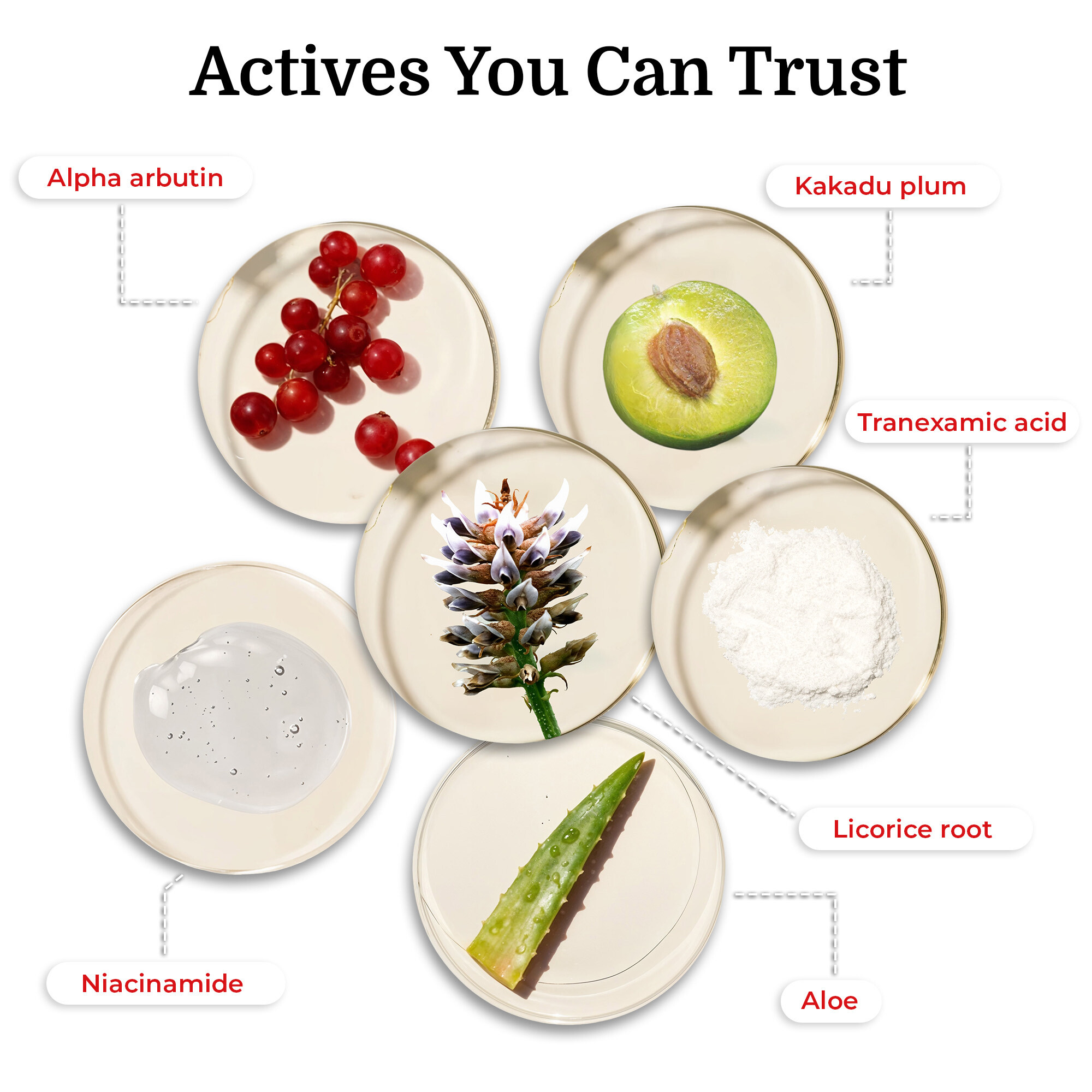
Tranexamic acid quiets the trigger. Alpha arbutin and licorice inhibit tyrosinase. Niacinamide blocks melanosome transfer. Vitamin C reduces what's already there. Dear Kitty is the multi-pathway formulation co-balanced at the pH required for all five actives to work simultaneously without irritation.
I called the formula the Full-Pathway Protocol — because it interrupts all four steps of the melanin cycle in one application.
Instead of fading 30% and stalling, we keep clearing because every step of the cycle has a dedicated active blocking it. Instead of stacking incompatible serums, we use one co-formulated bottle. Instead of plateauing, we finish.
Three months of plateau cleared in seven days
Within 24 hours Jenna noticed the central pigment that had refused to budge for two months started to give. "The dark part feels less dark," she said. The tranexamic acid had quieted the inflammatory trigger vitamin C alone had never touched.
By day three the sharp borders of her patches faded visibly. The tyrosinase inhibitors had begun shutting down new melanin production. The pigment being made was already lighter than the pigment being faded.
On day five, the patches that had been permanent residents for months started flattening into the surrounding skin. The melanosome transfer was slowing. The 30% improvement was on its way to becoming 70%.
One week in, Jenna's cheek looked uniformly toned for the first time. "I didn't know what completed looked like," she said. "I'd just been used to half-done."
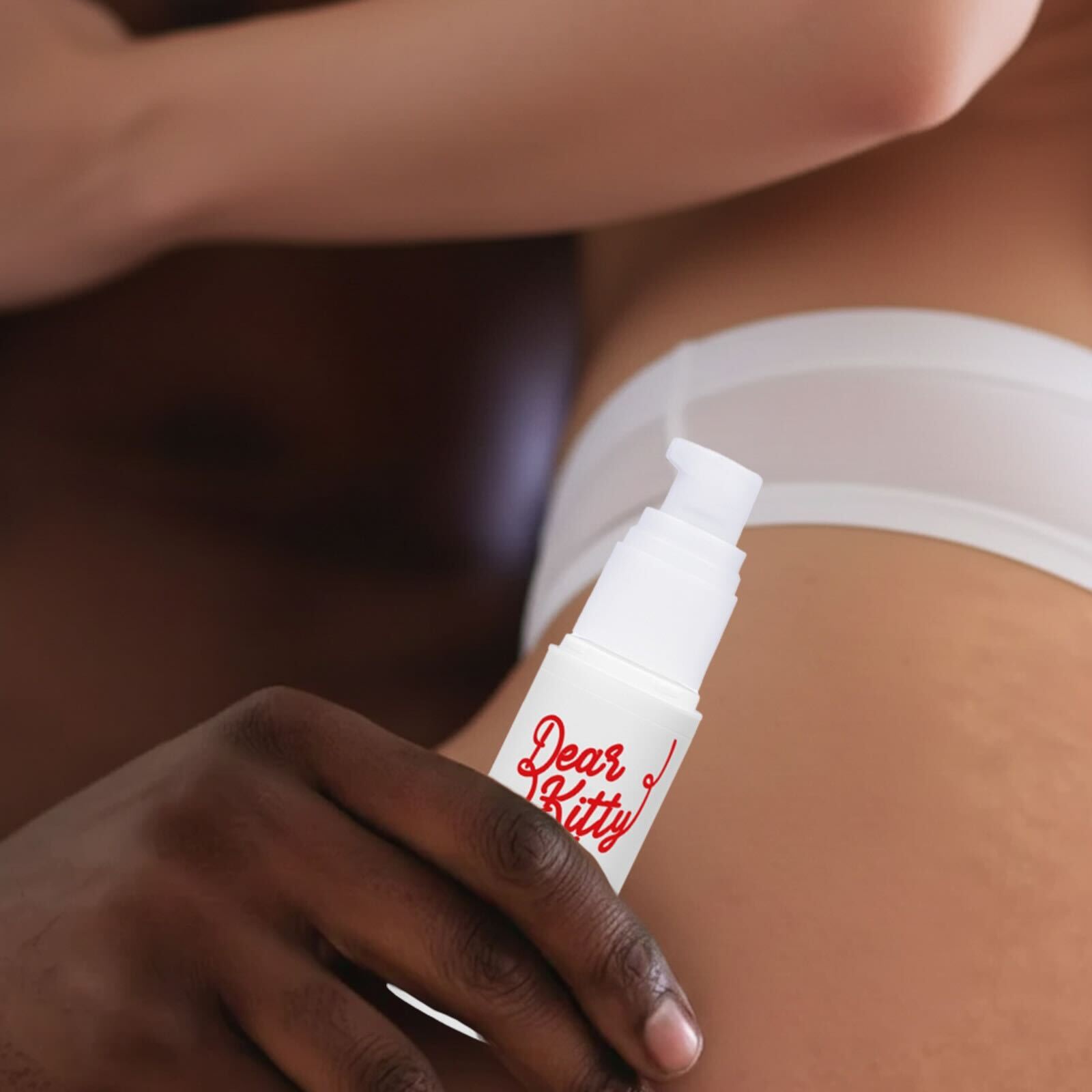
"I'd been at 30% faded for six months. Two weeks on this and I'm at 85%. The plateau was real, and it broke instantly."
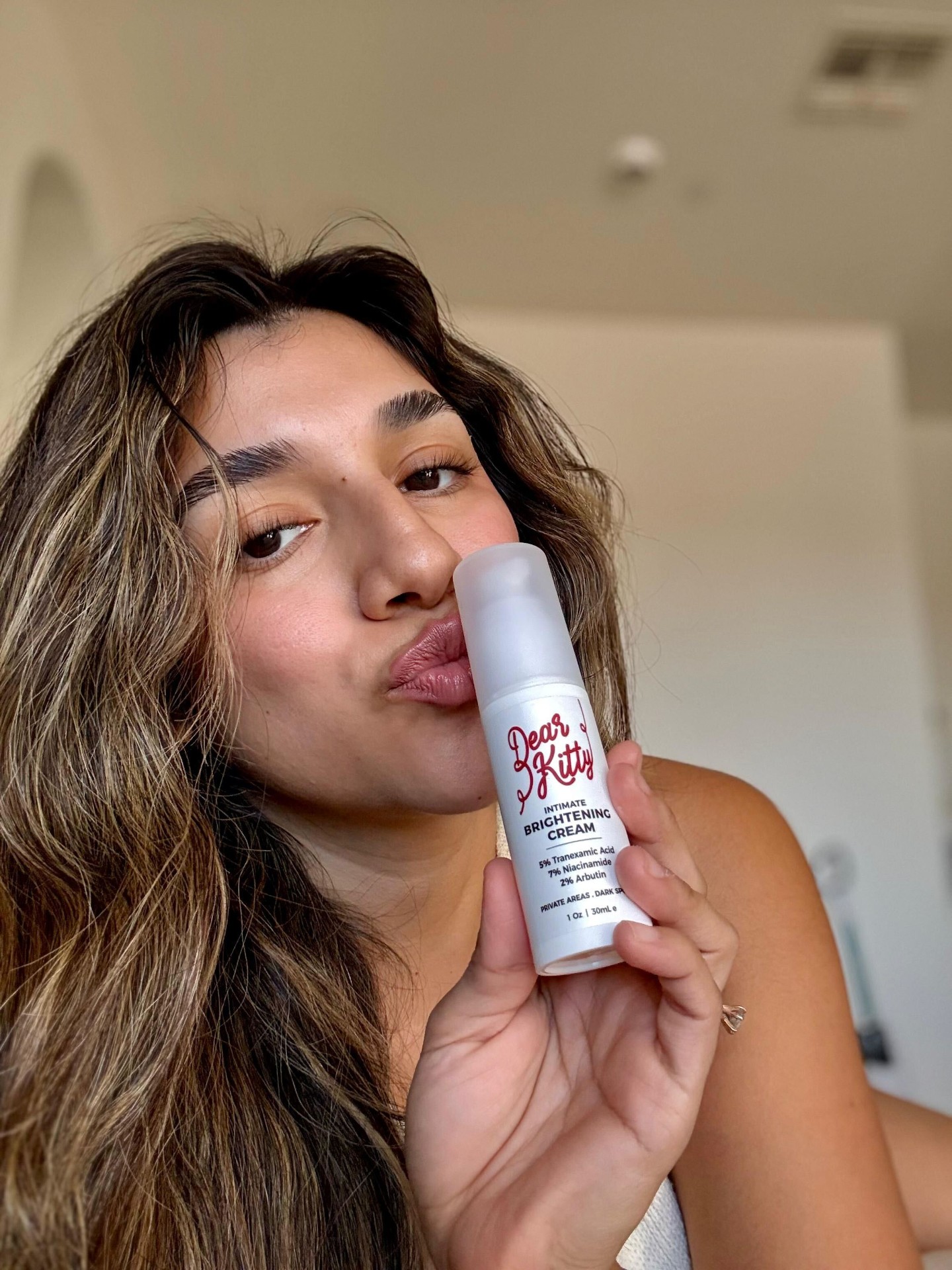
"Vitamin C alone got me partway. The full stack did the rest in ten days. I should have switched a year ago."