What Your Doctor Means When They Say 'It's Just Cosmetic'
Harmless ≠ Permanent: The Decades-Old Dark-Spot Fix Hiding in Plain Sight.
A Special Investigation by Dr. Sarah Chen, Dermatological Research Institute
May 28, 2026
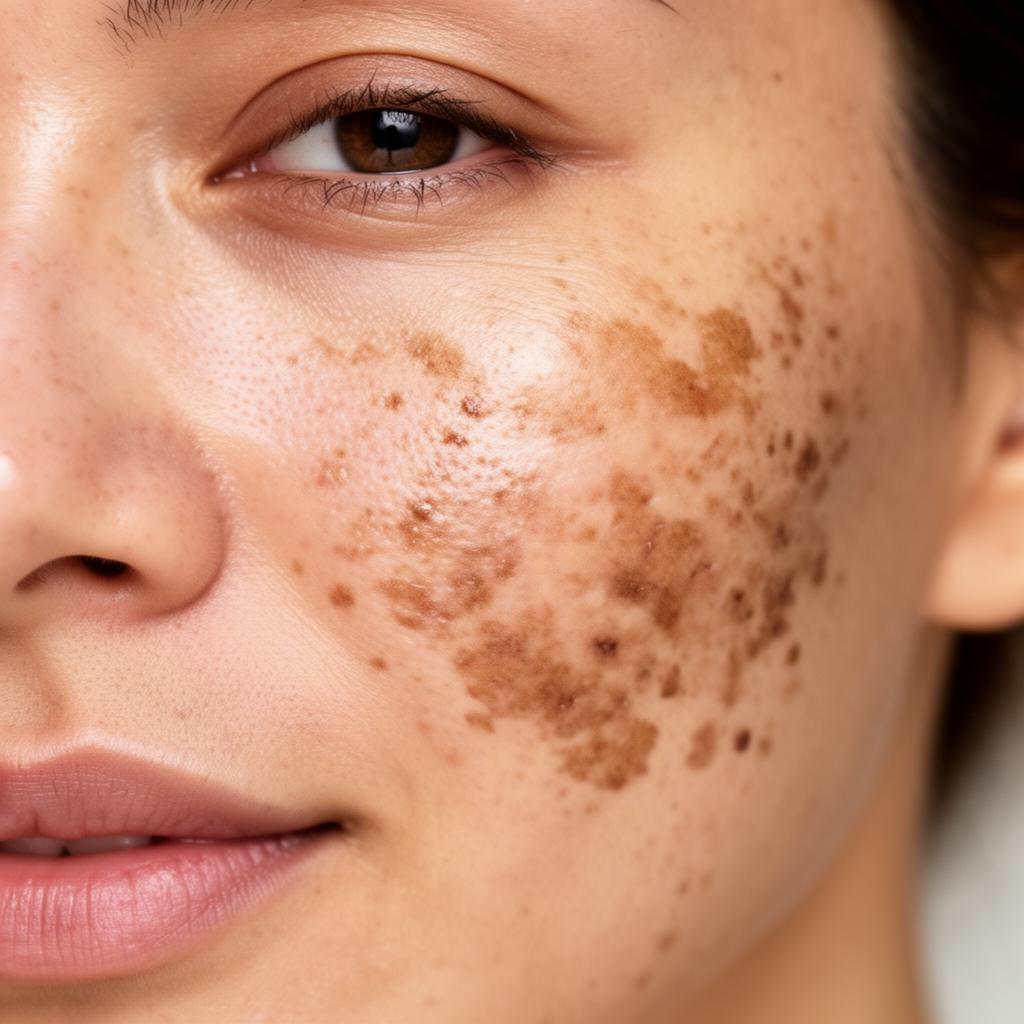
Maria sat in my exam room with a folder of doctor's notes spanning fifteen years. Every single visit had the same line at the bottom: "Melasma. Cosmetic. Reassure patient."
She'd been to a GP at 25, two family doctors in her thirties, and three dermatologists in her forties. Each one had looked at her cheeks, used the word "cosmetic," and sent her home with no plan. One had literally said, "Honey, most women your age have this. Just wear concealer."
She was crying in my office. "If it's so common," she asked, "why won't anyone help me fade it?"
"They keep telling me it's harmless. Nobody can tell me why that means I have to live with it."
Maria's folder was the most damning chart I'd read in twenty years of practice. Not a single doctor had given her wrong information. Every one of them had failed her anyway.
I went back through medical school dermatology textbooks and traced where the "cosmetic, just live with it" reflex came from. It's a triage shortcut. Because hyperpigmentation isn't dangerous, it doesn't compete for insurance-covered visit time, prescription priority, or research funding.
But "cosmetic" got mistranslated, somewhere along the way, into "permanent." Doctors started treating non-medical conditions as automatically untreatable, when in reality the fix had existed in peer-reviewed literature since the 1990s.
Tranexamic acid for melasma. Niacinamide and alpha arbutin for melanosome transfer and tyrosinase inhibition. These mechanisms have been studied for over twenty years. The protocol works. It just doesn't get prescribed, because there's no insurance code that pays a doctor to write it.
The fix was never missing from science. It was missing from the appointment slot. Patients have been paying the price ever since.
After reading fifteen years of patient charts dismissing pigmentation, I uncovered 5 ways the system fails the people who have it.
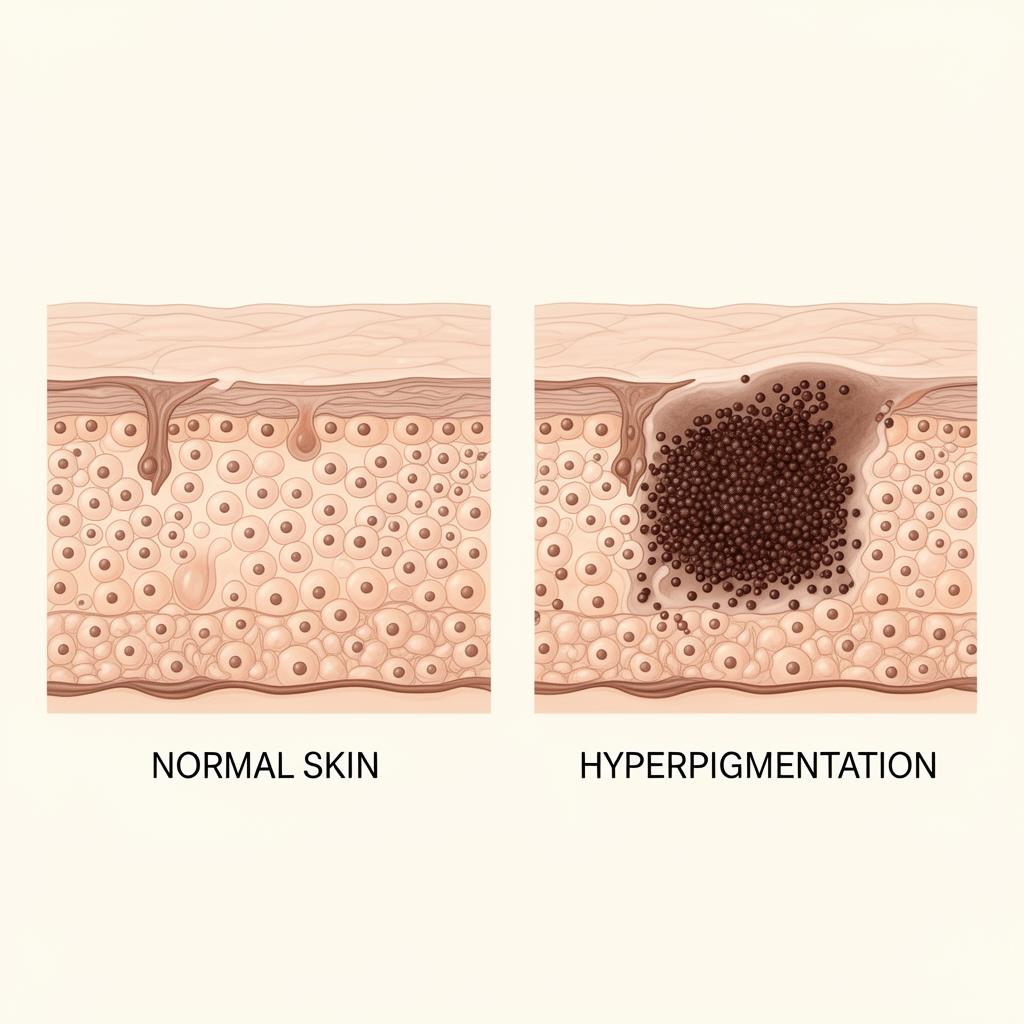
Hyperpigmentation affects how people dress for work, photograph, date, and feel in their own face. "Cosmetic" is a billing category, not a measure of impact on a life.
Doctors aren't reimbursed to spend twenty minutes on a non-billable condition. The structural incentive is to reassure and move on.
When pigmentation is treated medically, it's often with hydroquinone — a single-step inhibitor with rebound risk. The over-the-counter multi-pathway actives outperform it long-term.
After three doctors call something "cosmetic," most people stop bringing it up. The pigmentation isn't getting better — the patient is just getting quieter about it.
Tranexamic acid, niacinamide, alpha arbutin, and vitamin C for hyperpigmentation is in textbooks. It's in PubMed. It's not in your visit, because nobody is paid to put it there.
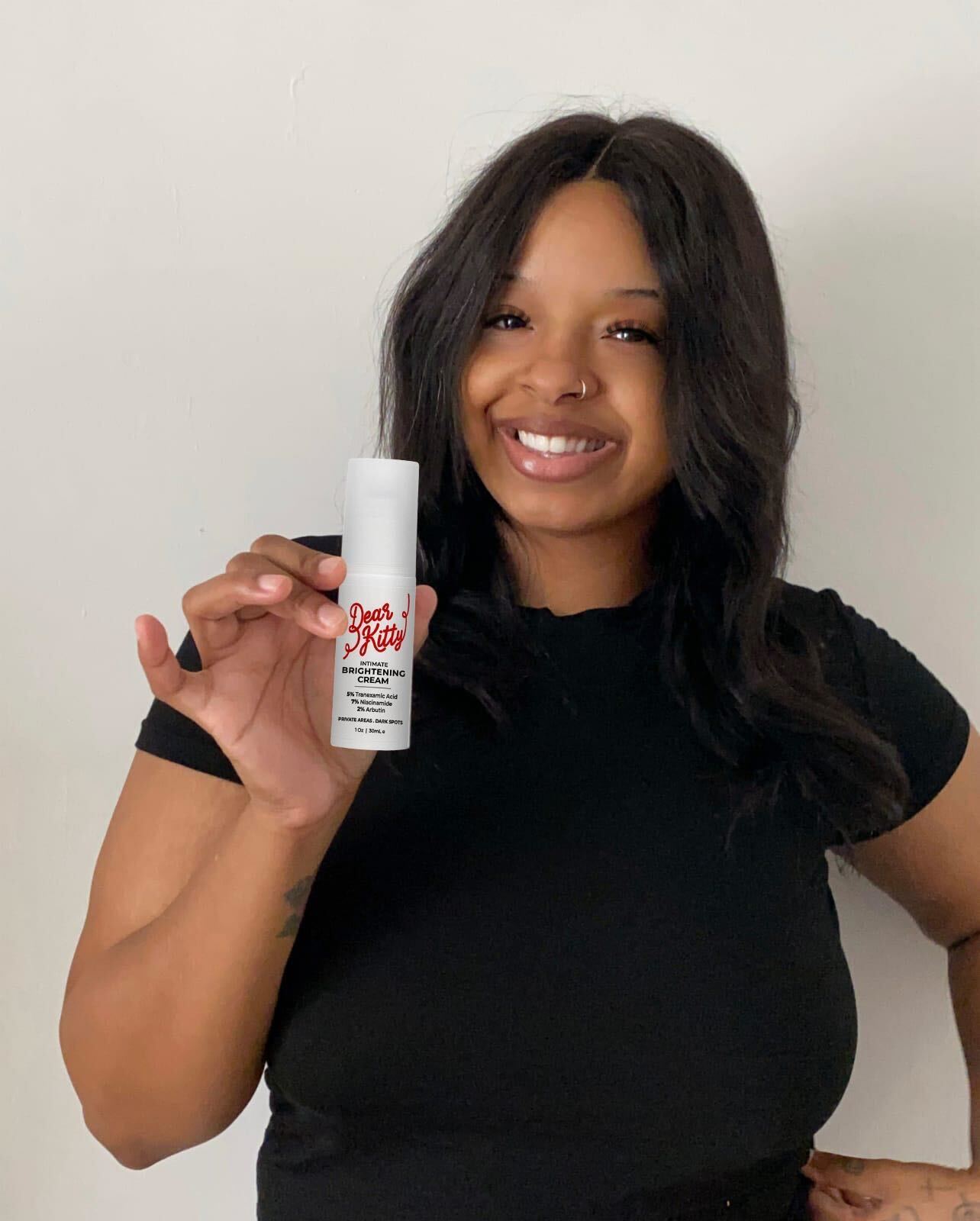
Tranexamic acid, niacinamide, alpha arbutin, licorice root, and vitamin C have been clinically studied for melasma and post-inflammatory hyperpigmentation since the 1990s. The data is consistent and unsurprising. Dear Kitty puts all five at therapeutic concentrations in one bottle — the formulation that should have been in every dermatology bag twenty years ago.
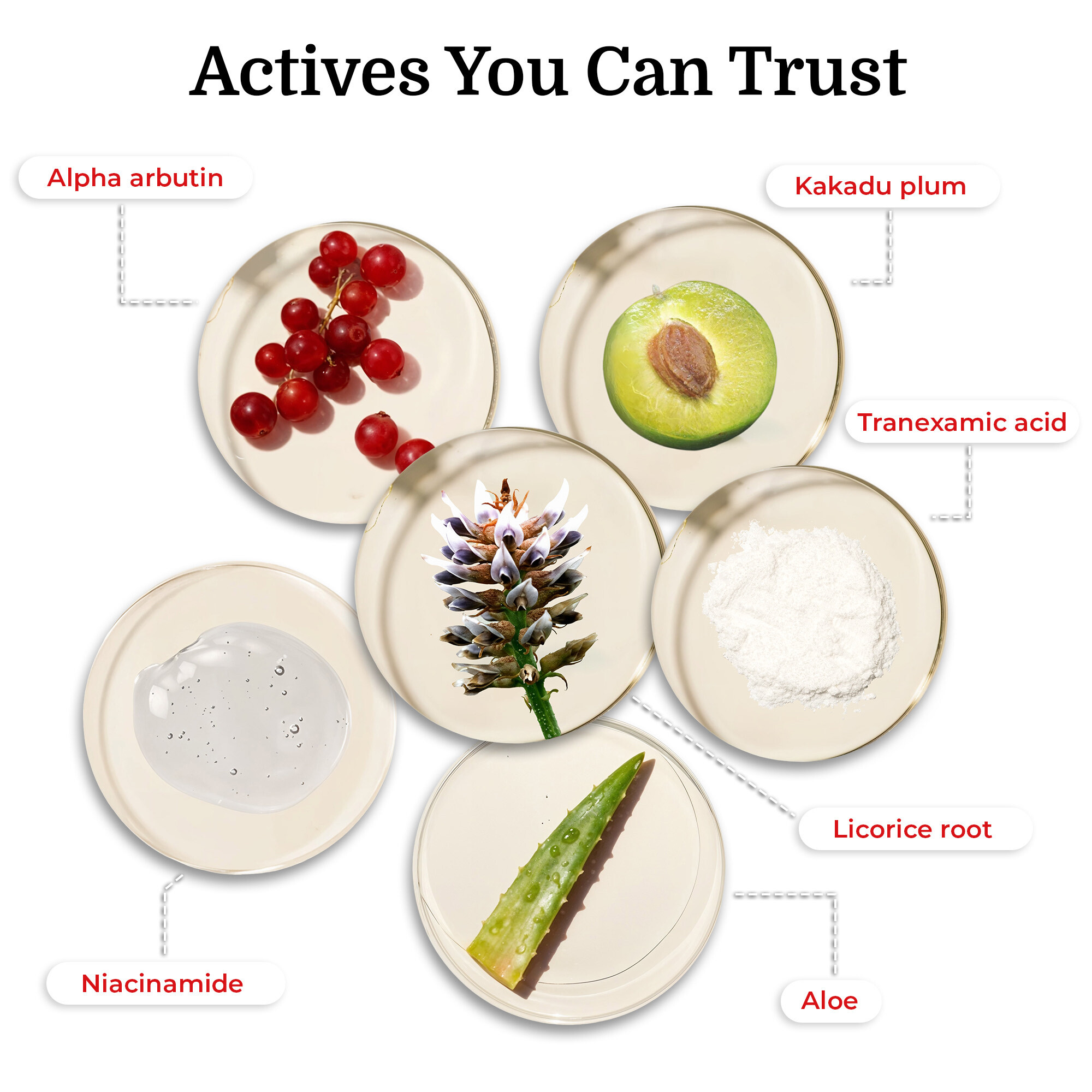
I built the In-the-Literature Protocol around what every dermatologist already knows but rarely prescribes.
Instead of reassurance, we treat. Instead of waiting for an insurance code, we use the multi-pathway approach that's been documented for decades. Instead of "cosmetic," we use "fade-able."
Fifteen years of being told nothing could be done. One week.
Maria called me that night, not about her skin, but about being given a plan at all. "Someone actually treated this," she said. The actives had started work, but so had something deeper — being taken seriously.
By day three the patches along her cheekbones were measurably lighter at the edges. The same condition fifteen years of doctors had called untreatable was, in fact, responding within seventy-two hours.
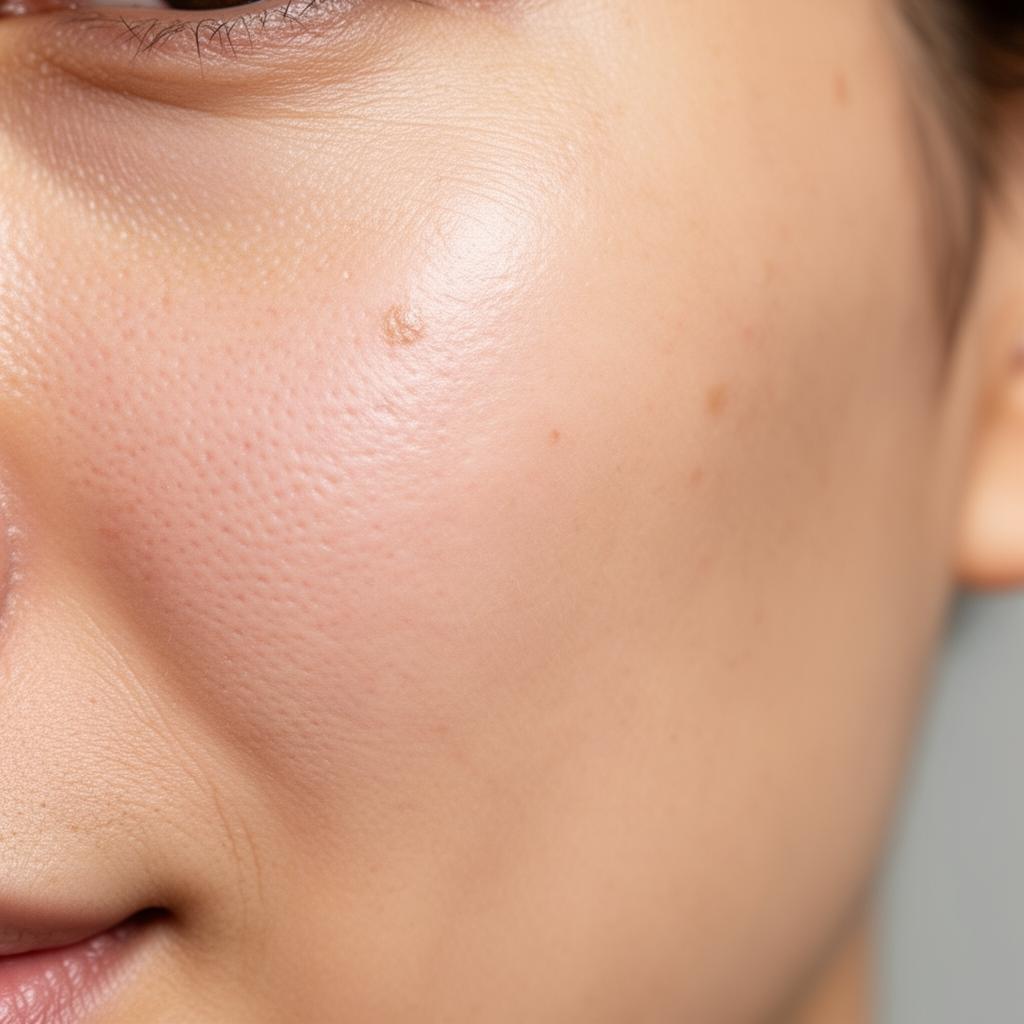
On day five Maria sent me a photo. Her cheeks looked dramatically more even. "I'm forty-five years old and I haven't seen my skin look like this since college," she wrote.
One week in, Maria went makeup-free to dinner for the first time since 2014. The condition had never been permanent. It had only ever been ignored.
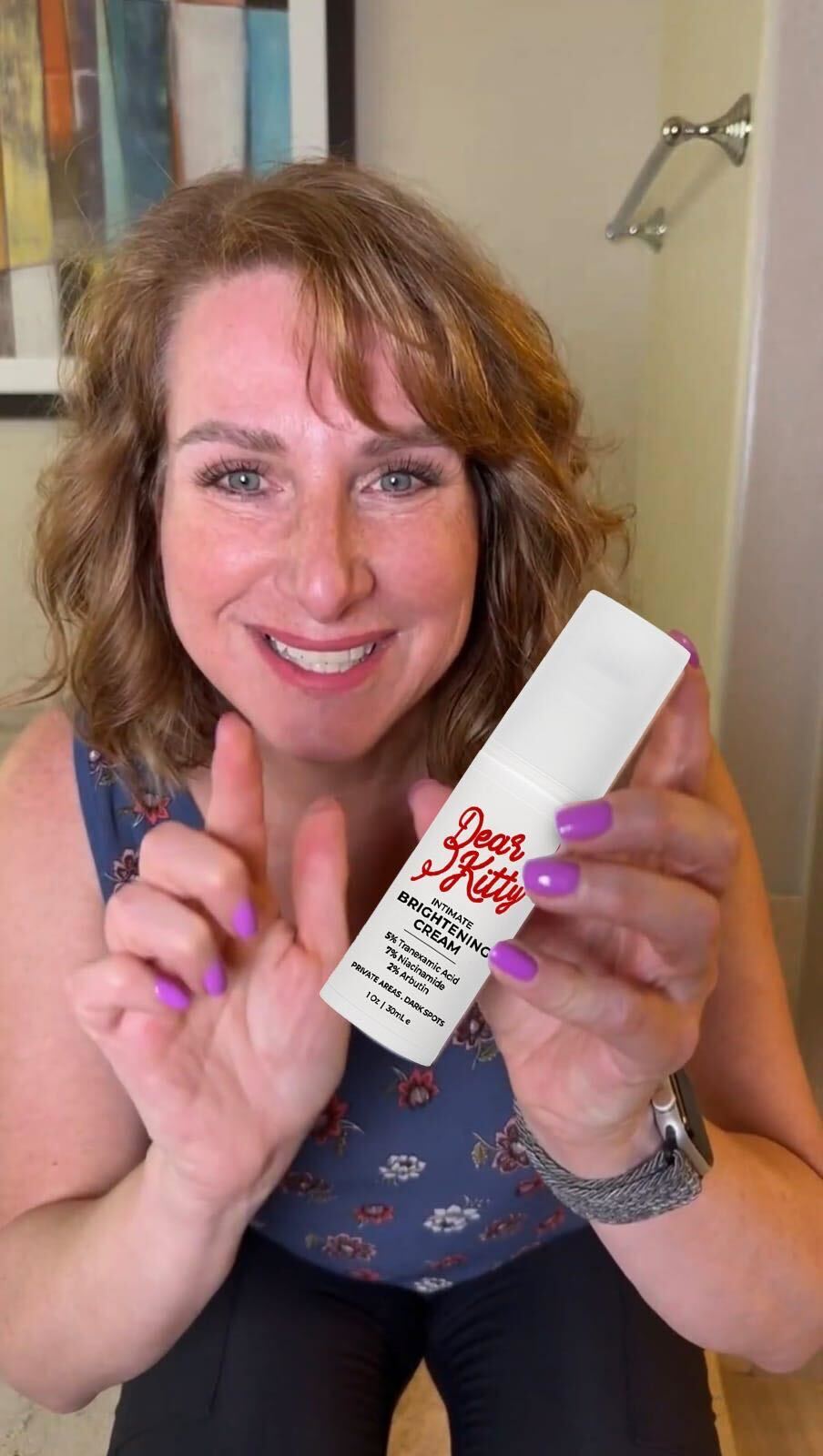
"Three dermatologists told me to learn to live with my melasma. Two weeks with this and I'm furious about every one of those appointments."
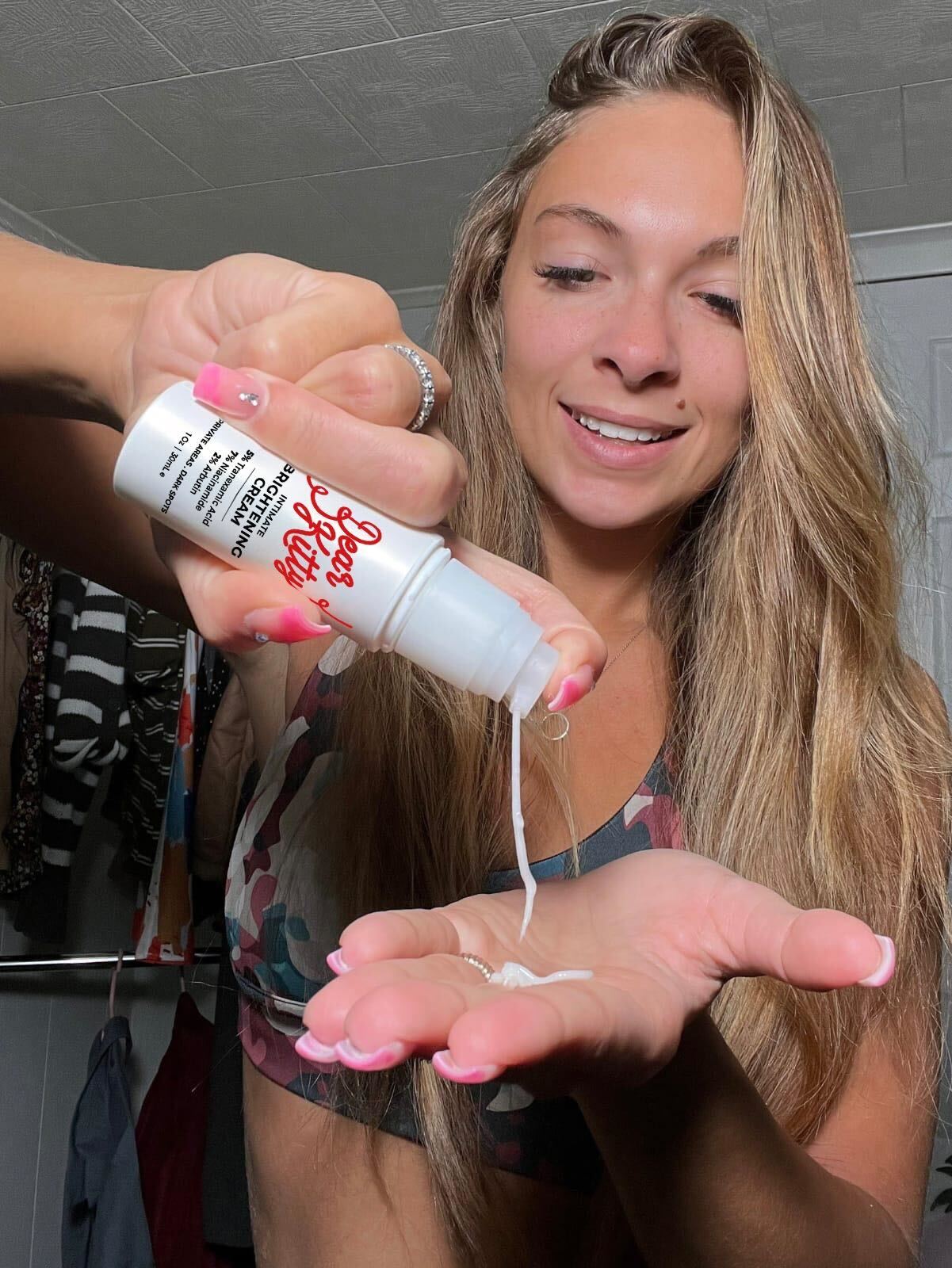
"My doctor laughed when I asked about my dark spots. I should have laughed back. The fix was a bottle away the whole time."