The Hidden Truth About Hyperpigmentation Treatment
It Was Never Sun Damage: The Real Reason Your Dark Spots Won't Fade.
A Special Investigation by Dr. Sarah Chen, Dermatological Research Institute
May 28, 2026
Lauren walked into my clinic clutching three different SPF 50 sunscreens in a tote bag. She'd been using them religiously for two years — one in the morning, one before lunch, one before any walk to the car. The dark patches across her cheeks looked exactly like the day she started.
She had also tried EltaMD, La Roche-Posay, and a $96 "barrier repair" cream her last dermatologist prescribed off-label. Each one promised to stop her hyperpigmentation from "getting worse." None of them faded what was already there.
"Am I just not reapplying enough?" she asked, looking at the floor.
"I just want to know why nothing I put on my skin is actually reaching the spots."
That question haunted me for months. Why were we, as dermatologists, still telling patients sunscreen would fix pigmentation that sunscreen has never once been shown to fade?
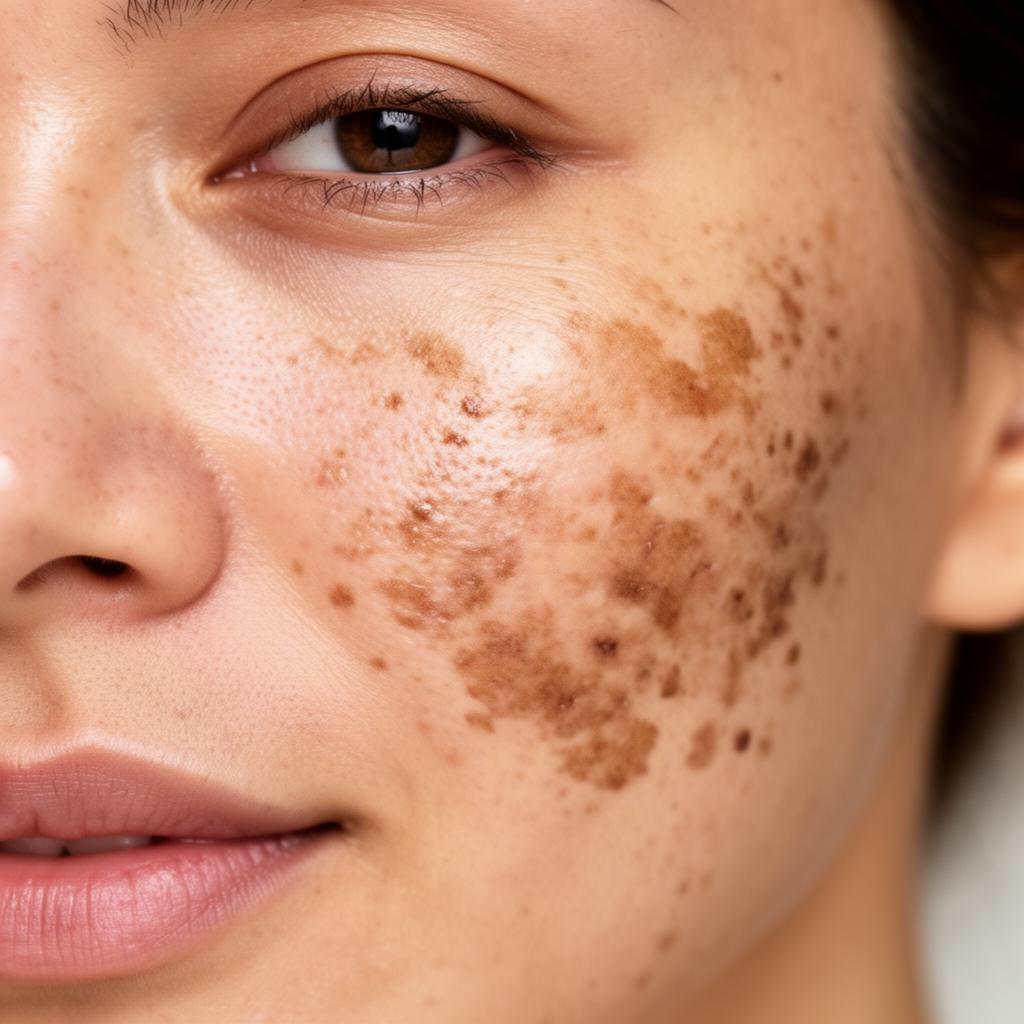
I spent six months pulling biopsy slides from melasma cases and reading every study on melanocyte regulation I could find. What I learned reframed everything.
A dark spot isn't sun damage sitting on the surface waiting to be blocked. It is melanin being actively manufactured by overactive melanocytes deep in the basal layer and pushed upward into the visible skin over weeks. Sunscreen reduces new triggers — it does not, and cannot, fade pigment that is already produced.
We had been telling patients to prevent a problem that lives inside cells SPF can't reach. No wonder the existing spots never moved.
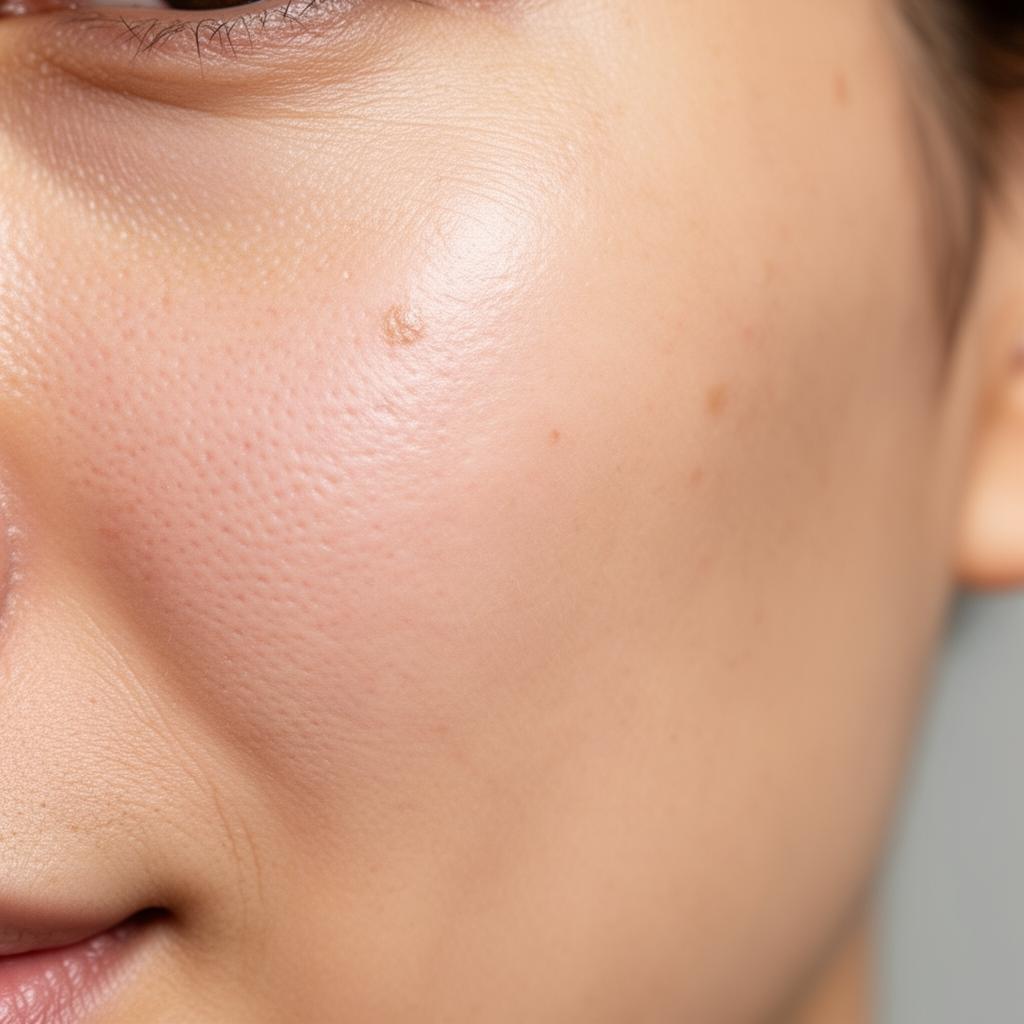
The breakthrough wasn't a stronger sunscreen. It was realizing the entire category we'd been recommending was prevention, not treatment.
After reviewing two decades of failed pigmentation cases, I uncovered 5 reasons SPF and surface care have never faded a single existing spot.
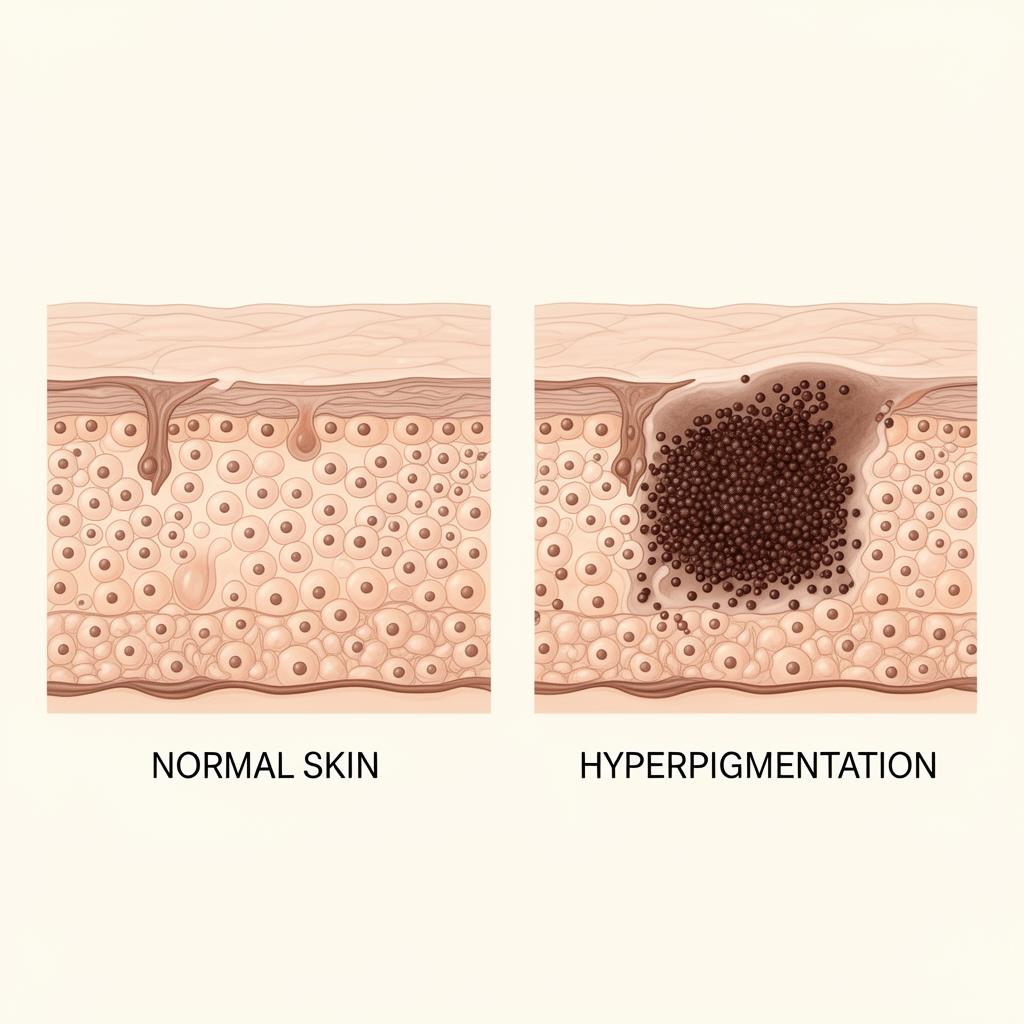
Sunscreen sits on the top 10 microns of skin. The melanocytes producing your dark spots sit far deeper than that, in the basal layer. SPF blocks new triggers — it cannot touch what's already there.
The enzyme that builds melanin is tyrosinase. Water, hyaluronic acid, and ceramides don't inhibit it. They keep the surface comfortable while the pigmentation cycle keeps running underneath.
Heavy creams raise skin surface temperature, and heat alone is a documented melasma trigger. Many pigmentation patients flare on the rich barrier creams meant to 'protect' them.
Melasma and PIH are inflammatory and hormonal in mechanism, not purely UV. Treating them as sun damage alone means treating only one of three contributing pathways.
Stopping new pigment is not the same as fading existing pigment. Patients stay loyal to SPF that prevents while the actual patch sits visibly untouched on their face.
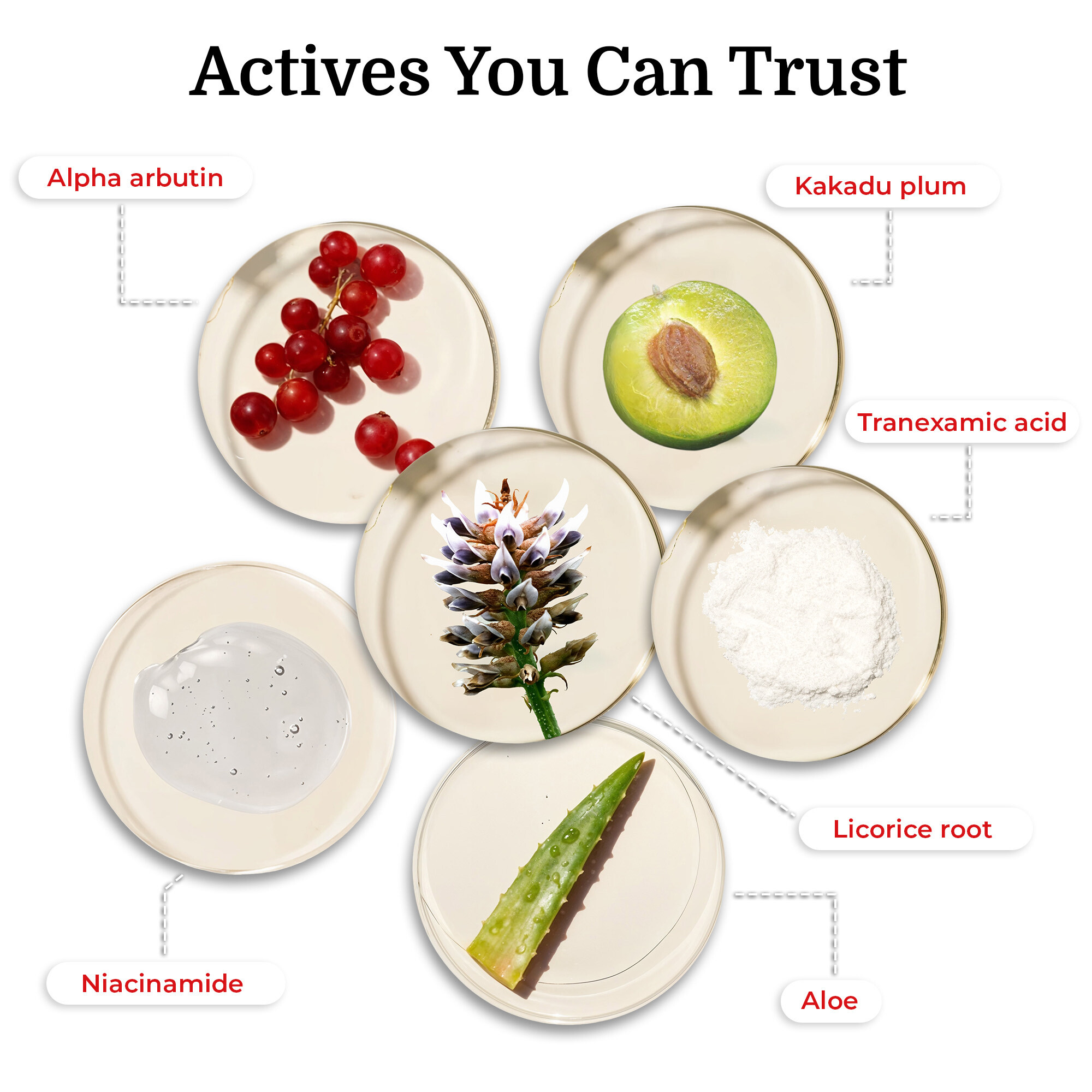
Tranexamic acid, niacinamide, alpha arbutin, and licorice root are small enough and bioavailable enough to reach the basal layer and inhibit tyrosinase at the source. Vitamin C reduces existing melanin to its lighter form. This is the only mechanism with peer-reviewed evidence behind it for fading — not preventing — hyperpigmentation. Dear Kitty is formulated around exactly this stack.
Working with a formulation chemist, I developed what I now call the Inhibit-First Protocol.
Instead of blocking the surface, we shut down the melanocyte. Instead of preventing the next trigger, we reverse the existing patch. Instead of layering SPF over pigment, we fade the pigment.
The patient who'd SPF'd for two years saw change in a week
Within 24 hours Lauren noticed her cheeks felt cooler — less of the chronic warmth she'd come to ignore. Tranexamic acid had begun cutting the low-grade inflammation that was feeding her pigmentation cycle.
By day three the sharp borders of her cheek patches softened. Tyrosinase inhibition was registering at the cellular level, and the newly produced melanin was lighter than what had come before.
On day five Lauren's pigmentation was measurably lighter at its densest center. Niacinamide had reduced melanosome transfer; the pigment was no longer being delivered to surface cells.
One week in, Lauren looked at her own face in natural light and stopped. "It's catching the light evenly," she said. After two years of bottles, the answer was a pathway, not a sunscreen.
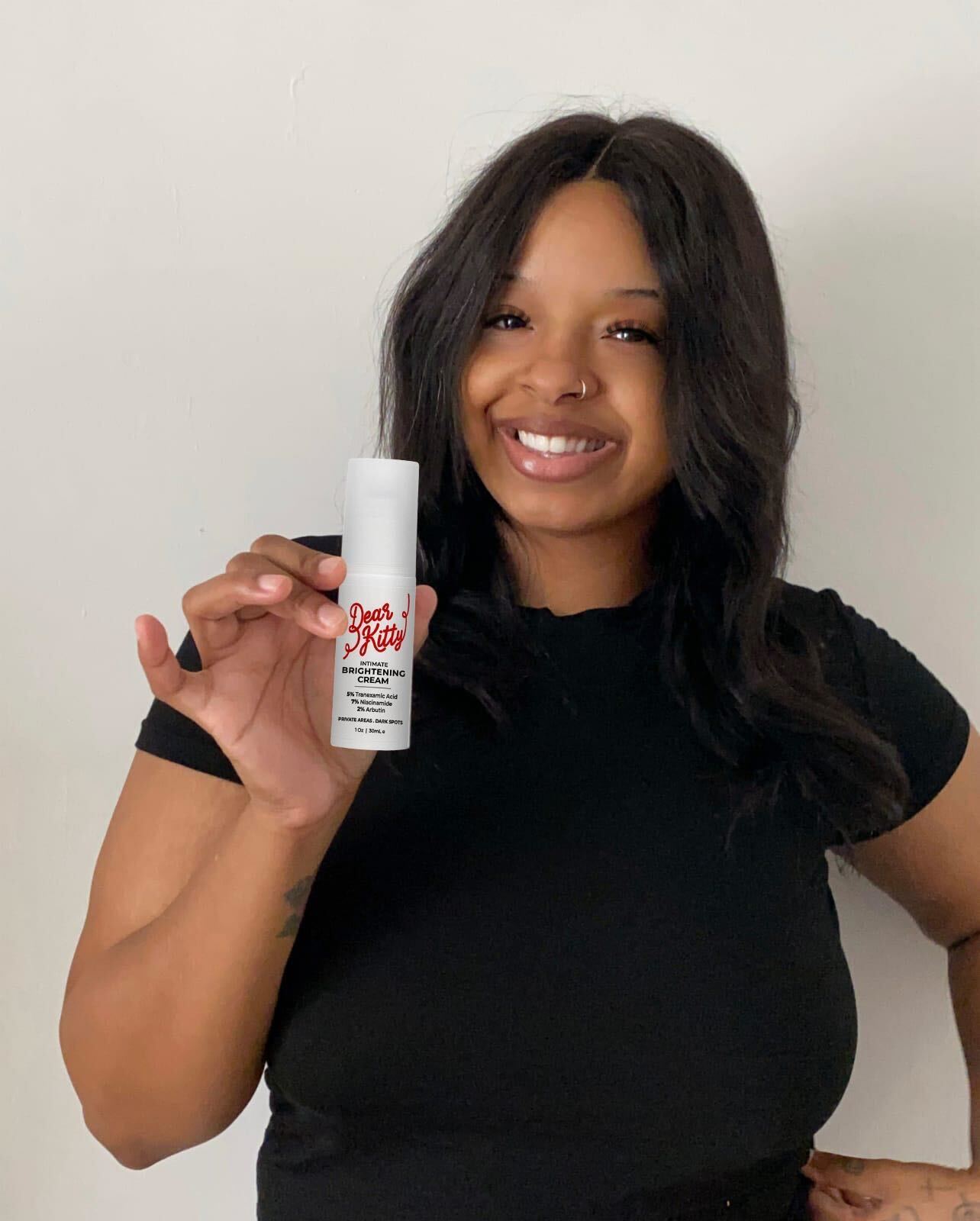
"I have a drawer full of SPFs that promised to fix my spots. Two weeks with this and I finally understand why none of them worked. My cheeks haven't looked this even since my first pregnancy."
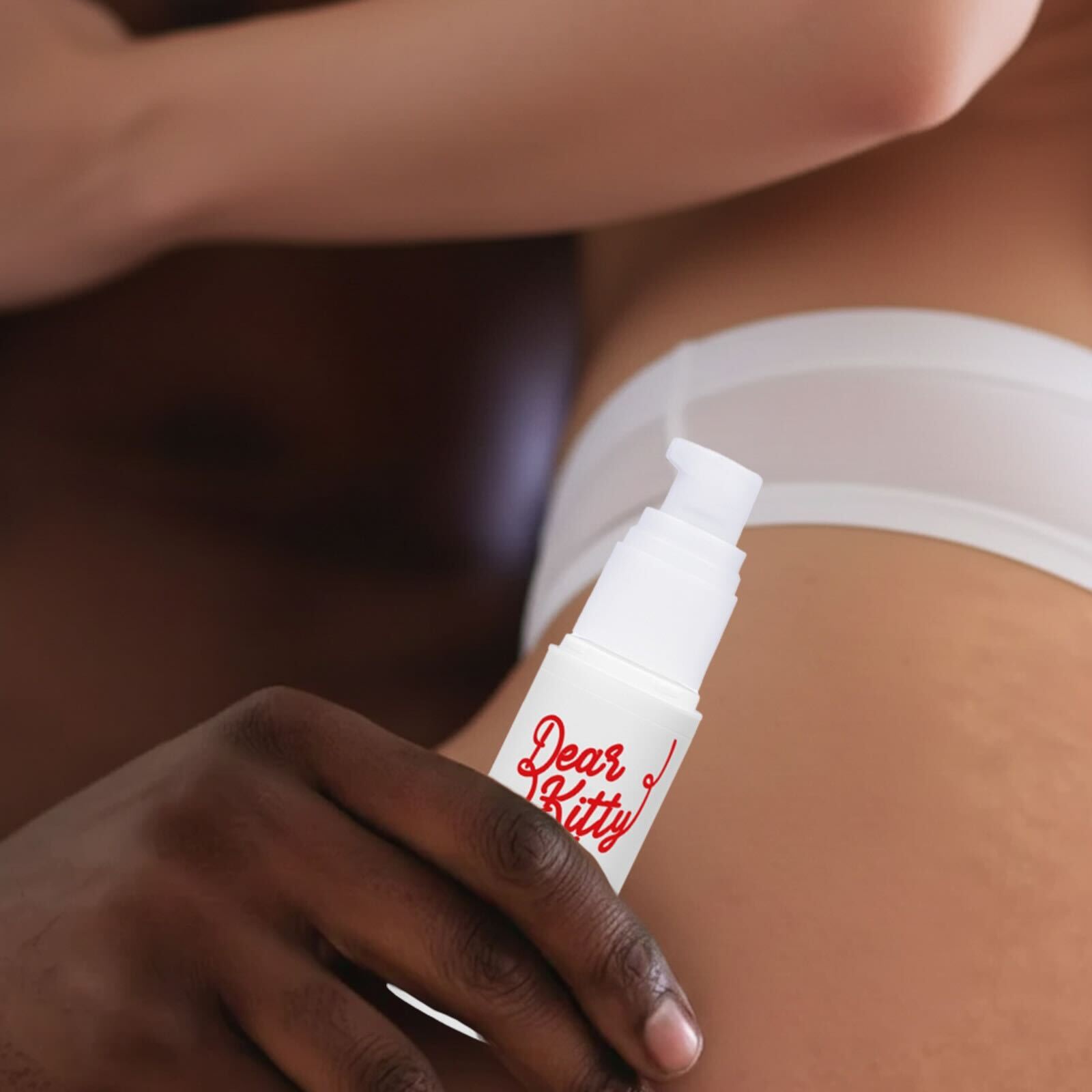
"My dermatologist had me on a $90 mineral sunscreen for a year. This worked in 10 days. I'm a little angry, honestly, but mostly relieved."