The Most Common Adult Skin Condition You've Never Been Diagnosed With
The 40% Nobody Names: Melasma Is Everywhere — and Almost Entirely Treatable.
A Special Investigation by Dr. Sarah Chen, Dermatological Research Institute
May 28, 2026

Emma came in for a mole check. Routine appointment, fifteen minutes booked, nothing dramatic expected. When she sat down in the light, I saw the textbook butterfly pattern across her cheeks and asked how long she'd had the melasma.
She looked at me blankly. "The what?"
She was 34 years old. She had visible melasma across both cheeks, her upper lip, and her forehead. She'd had it since her first pregnancy at 28. And in six years, no doctor had ever once said the word "melasma" to her. She had no idea her skin had a name, a cause, or a fix.
"Wait — this is a thing? It has a name? And people fade it?"
Emma is not unusual. Nearly 40% of women over 30 have clinical melasma or chronic hyperpigmentation. Most have never been told what it is. That's a public-health-scale failure of basic patient education.
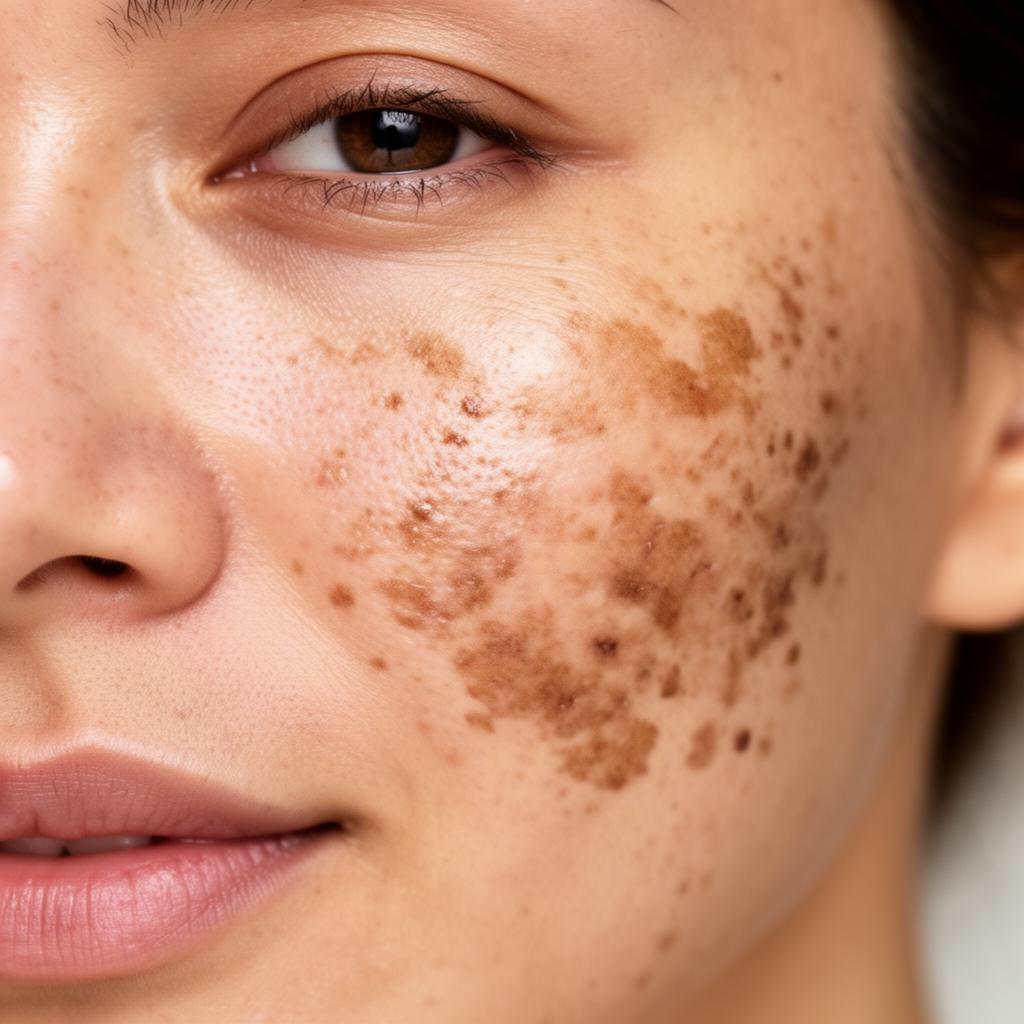
I spent six months reviewing the epidemiology literature on melasma and post-inflammatory hyperpigmentation. The prevalence numbers are staggering — around 40% of adult women in the U.S. by most estimates, with rates as high as 50–70% in women who've been pregnant or used hormonal contraception.
Despite that, melasma is taught in dermatology school for roughly twenty minutes and almost never raised in primary care. It is, by any reasonable measure, the single most under-diagnosed common skin condition in adult women's medicine.
More importantly: it is also one of the most treatable. The actives that fade it have been off-patent for decades, are inexpensive, and have a well-documented safety profile. The reason millions of women are walking around with untreated pigmentation isn't difficulty. It's silence.
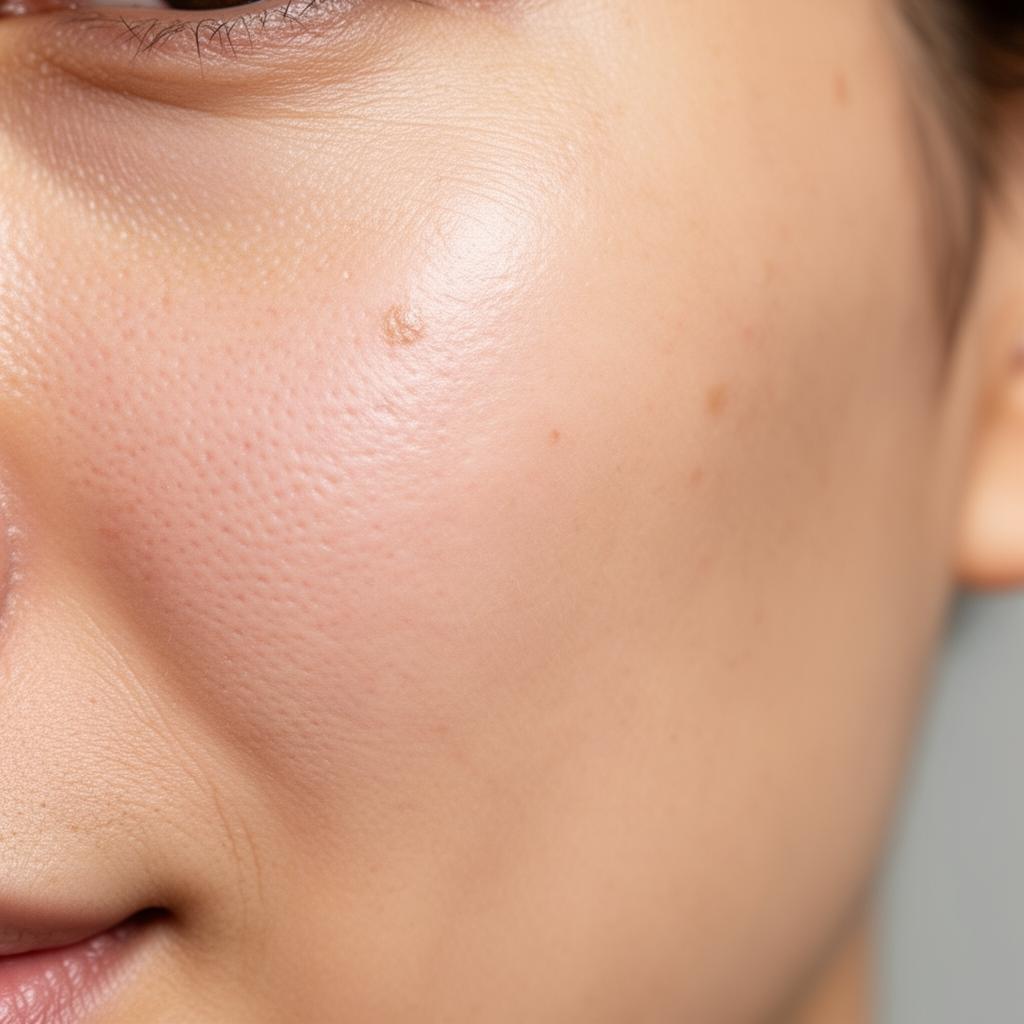
A condition this common, this treatable, and this invisible to the medical system shouldn't exist anymore. And yet here we are, with 40% of adult women silently covering it.
After surveying patients about what they knew about their own skin, I uncovered 5 truths about the silent 40%.
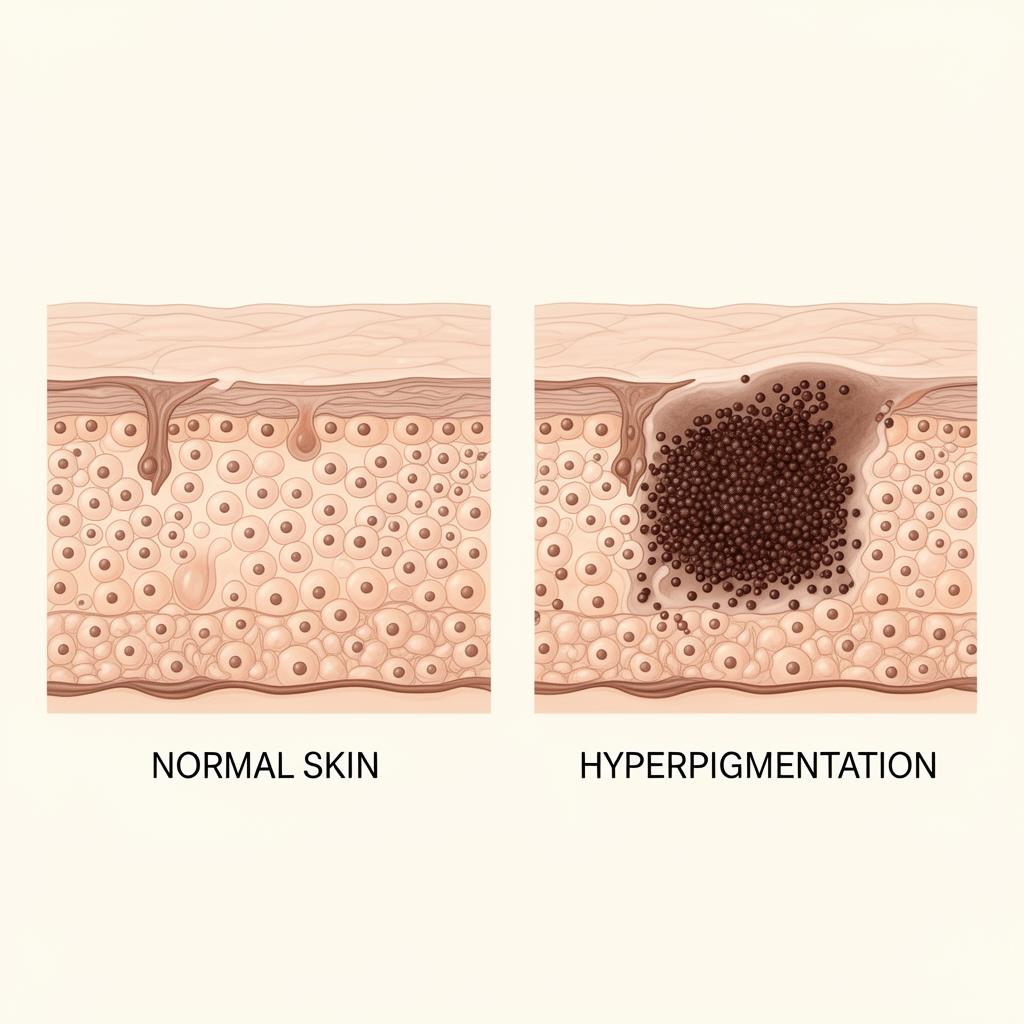
If you've ever called your skin "pregnancy mask," "sun spots," or "those patches," you're almost certainly describing melasma or post-inflammatory hyperpigmentation. Naming the condition is step one of solving it.
Hyperpigmentation is a melanocyte regulation disorder — structurally different from every condition it gets confused with, which is why treatments for those don't work on it.
Around 40% of adult women have it. You see it constantly on the street, in the office, at school pickup. You've just been trained not to notice it because everyone covers it with foundation.
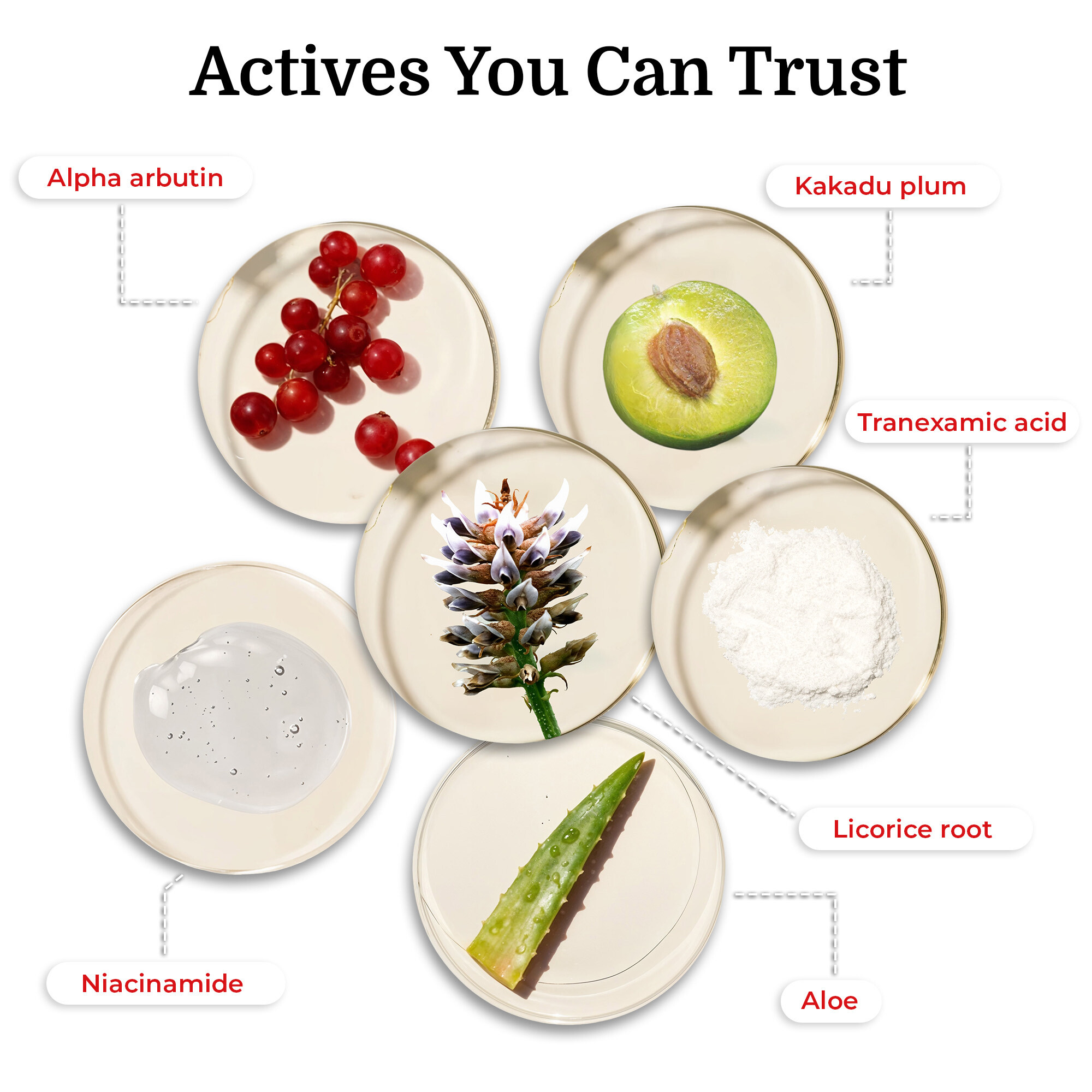
Tranexamic acid, niacinamide, alpha arbutin, and vitamin C fade it. The mechanism is well-understood. The ingredients are inexpensive. The barrier to treatment is information, not science.
Melasma isn't dangerous, so it doesn't compete for visit time. Patients are often diagnosed during appointments scheduled for something completely unrelated, if at all.
Tranexamic acid, niacinamide, alpha arbutin, licorice root, and vitamin C fade melasma and PIH with decades of consistent clinical data behind them. The mechanism is settled science. The bottle is the only thing that was missing. Dear Kitty puts all five at therapeutic concentrations in one accessible formula — finally matching the scale of how common the condition actually is.
I built what I now call the Named-Condition Protocol. It starts with telling people, accurately, what they have.
Instead of unnamed "patches," you have melasma. Instead of mysterious lifelong frustration, you have a documented condition with a mechanism. Instead of silence, you have a fix.
Six years of not knowing. Seven days of treatment.
Emma told me later that learning the name of her condition was, on its own, an emotional shift. "It was a thing. It wasn't just me." Twenty-four hours into the actives, her skin felt different. So did she.
By day three the patches she'd had since pregnancy were measurably lighter at the edges. A condition she'd assumed was permanent was responding within seventy-two hours of being correctly treated for the first time.
On day five Emma sent me a photo of her face in the bathroom mirror. The improvement was unmistakable. "Why did nobody tell me?" she wrote.
One week in, Emma's cheeks looked dramatically more even. Melasma turned out to be exactly what the literature had been saying for twenty years: extremely common, extremely treatable, and extremely under-discussed.
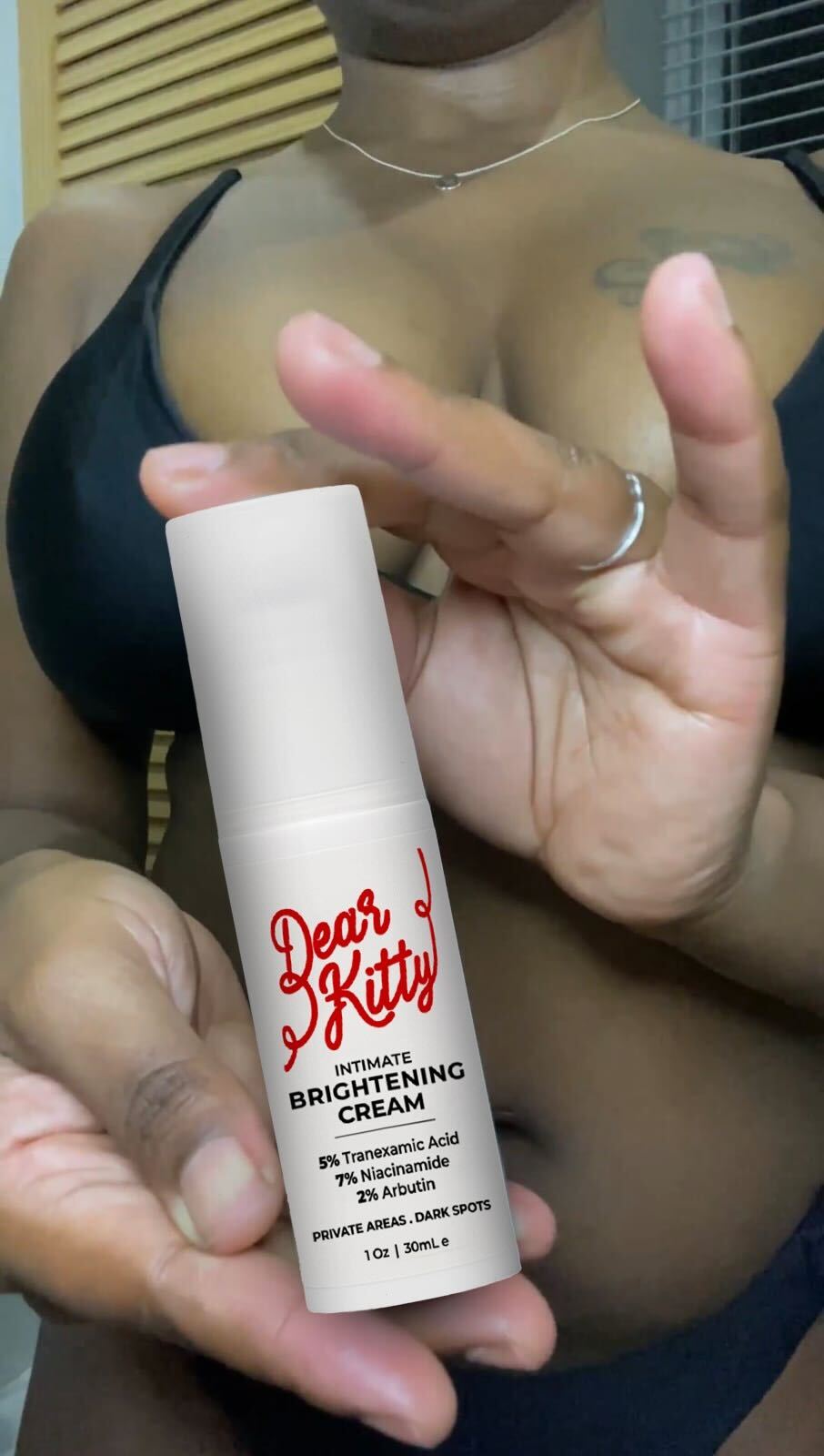
"I'd had these patches since pregnancy and never knew they had a name. Two weeks of the right treatment did what six years of guessing couldn't."
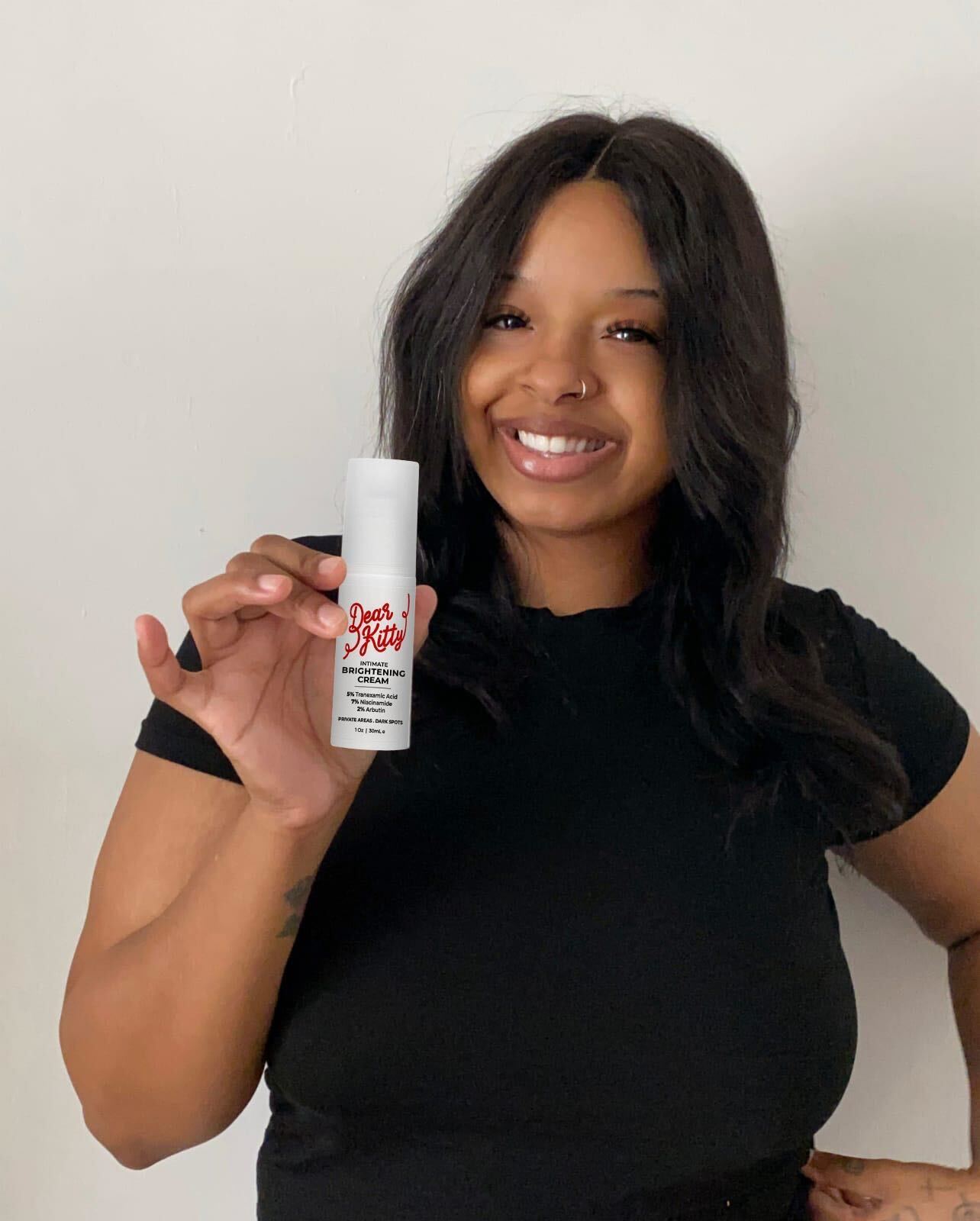
"My sister sent me an article that named what I had. I cried a little, ordered this, and ten days later understood I'd been treatable the whole time."